Jamaica – Au Pair

Dread Heads

Reggae music was born in Jamaica in the 1960’s and has since traversed the globe thanks to acts like Bob Marley and The Wailers. Let’s take a look at some of Jamaica’s greatest musicians from the genre:

Bob Marley

Marley’s influence spread well beyond his music, as he became a figure of the Rastafarian movement and even helped warring political parties come to agreements. “I Shot the Sheriff,” “No Woman, No Cry,” “Could You Be Loved,” and “Buffalo Soldier,” highlight the long list of hits Marley is credited with. Prior to the 1976 Smile Jamaica concert, an attempt on Marley’s life was made, but he only suffered minor injuries. Marley died of cancer on May 11, 1981, He was only 36 years old. There is a statue of Marley in Kingston, Jamaica and many of Marley’s children have entered the entertainment business, carrying on dear ol’ dad’s legacy.
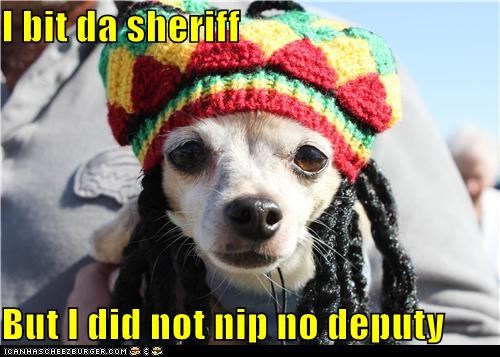
Bit Da Sheriff

Jimmy Cliff

Born James Chambers, Jimmy Cliff acquired his recording name from the cliffs that surrounded his childhood village of Adelphi Land in St. James, Jamaica. Cliff’s first hit, “Hurricane Hattie” came at the age of only 14. Working with producer Leslie Kong, Cliff released one successful track after another until Kong passed away. Cliff also appeared in the movie The Harder They Come, which brought reggae to new audiences. He was the face of the genre until usurped by Bob Marley. Cliff was enshrined into the Rock & Roll Hall of Fame in 2010.

Toots Hibbert

Dubbed ‘The Skafather,’ Hibbert is the leader of the band Toots & The Maytals and he might as well be, given he can play every instrument that makes up the ensemble. In 1966, Hibbert found himself in prison thanks to a possession of marijuana conviction, but his experience inspired one of his best known songs “54-46 That’s My Number.” With The Maytals, Hibbert wrote the first song to actually use the word reggae with 1968’s “Do the Reggay.” Hibbert received the Order of Jamaica in 2012 and still performs to this day, at the age of 71.

Peter Tosh

Amazingly, Tosh was self-taught on the guitar and he even helped Bob Marley learn to play the instrument. Joined by Bunny Wailer, the three formed the Wailing Wailers. After Tosh split from The Wailers and began a solo career, he released “Legalize It,” his pro-marijuana anthem. This, and Tosh’s defiant personality, led to beatings from Jamaican police. Tosh was even signed to the Rolling Stones record label before returning to his own. On September 11, 1987, Tosh was shot and killed by a man who he had given money to, when that man and three accomplices went back to try and get more cash from the artist.
We Be Jammin

Bunny Wailer

The Wailer in The Wailers, Bunny Wailer has been described as the best singer among the band and equally talented with writing songs, yet failed to achieve the same level of international fame as his bandmates. This could be the result of Wailer disappearing from the world’s eye for approximately three years after the Wailers disbanded. When he reemerged, Wailer didn’t miss a beat, going on to win the Grammy for Best Reggae Album in 1991, 1995, and 1997. Newsweek named Wailer one of the three most important figures in world music, along with King Sunny Ade of Nigeria and Brazil’s Milton Nascimento.

Gregory Isaacs

Known as ‘The Cool Ruler’ (which the Sip Advisor has to admit is a pretty wicked nickname), Isaacs is credited with over 500 albums, including many compilation releases. In the 80’s, Isaacs fell into drug troubles (who didn’t during that decade!) and served a six-month sentence for possession of unlicensed firearms. The drugs took a toll on his smooth voice, but Isaacs kicked the habit and worked in the industry up to his death in 2010, at the age of 59, following a lengthy battle with lung cancer. Today, the Gregory Isaacs Foundation carries on the artist’s charitable work and legacy.

Jamaica: Au Pair
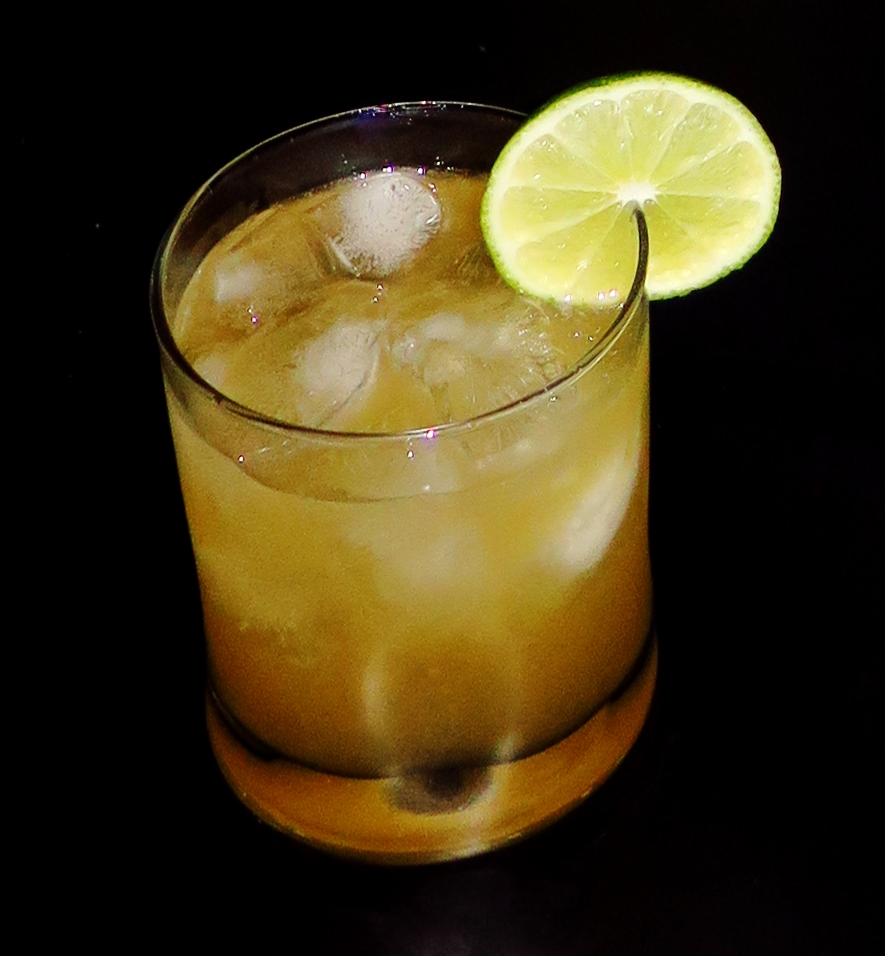
Au Pair Cocktail

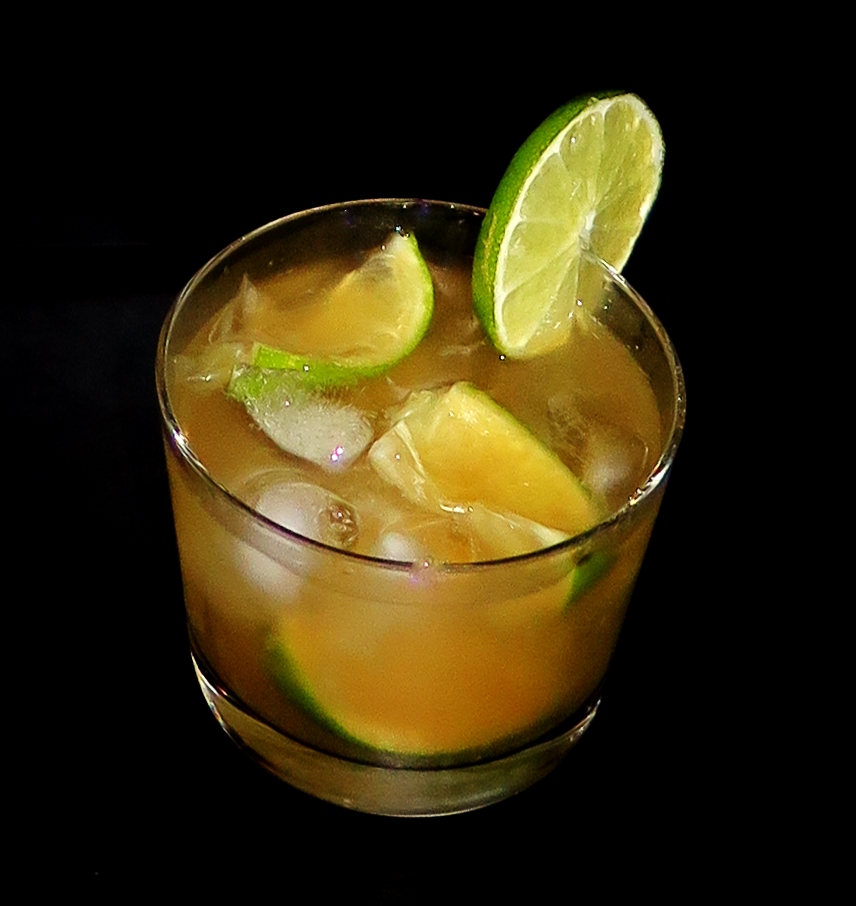
  • Muddle Apple Slices
  • 1.5 oz Appleton Rum
  • 0.75 oz Zubrowka Bison Grass Vodka
  • Top with Ginger Ale
  • Splash of Lime Juice
  • Dash of Orgeat Syrup
  • Garnish with a Lime Wheel

Reggae music has shared a long association with marijuana, so if drinking isn’t your cup of tea, you can celebrate the songs in your own way!

Sip Advisor Bar Notes (5 Sips out of 5):
This cocktail was a knockout spectacular. The Appleton Rum is so nice, as you get a hint of it at the end of each sip. Despite more than two ounces of booze, you can barely taste any liquor, thus making for the perfect recipe. This was my first opportunity to use the Orgeat Syrup Mrs. Sip and I picked up recently and it was a very welcome touch to the drink. I can’t advocate for this cocktail enough!

Jamaica – Neo-Tropical

Lightning Strikes

The fastest man on the planet in one Usain Bolt. This Jamaican worked his way up to become an icon of the running world and his country of Jamaica. Let’s take a closer look at the ‘Lightning Bolt’ (seriously, the dude’s name is perfect for the sport he excels at), while enjoying some fine Jamaican rum!:

Born in Trelawny, Jamaica on August 21, 1986, Bolt turned pro in 2004 after a successful youth and junior career. At his first Olympic Games in 2004, he was eliminated in the first round, while suffering through a leg injury. Four years later, the world would be formally introduced to the sprinter who runs at a whopping 23.7 mph.

Bolt Versus

Bolt holds the World Record in the 100m, 200m, and 4x100m relay, his three signature events. Combined, Bolt has taken home six Olympic gold medals as well as numerous other awards and accolades. His honours include IAAF World Athlete of the Year, Laureus World Sportsman of the Year, Track & Field Athlete of the Year, and BBC Sports Personality of the Year.

Despite his triple gold medal performance at the 2008 Beijing Olympics and leap into the world’s eye, Bolt had not been very successful in the 100m discipline up to that historic victory. It has been noted that Bolt’s finishing time could have been even better, given the runner slowed up at the end and began celebrating.

It’s hard to believe, but Bolt first aspired to be a professional cricketer. Can you imagine this energetic speed demon sitting idly and going through the long matches that make up the wicket sport? Instead, he takes care of business in under 10 seconds (20 for 200m races). Anyway, it was his cricket coach who steered him towards sprint running after noticing the athlete’s intense speed. Bolt is also an avid football fan (of the European variety, of course) and has dreamed of suiting up for Manchester United when he retires from sprinting.

Jamaican Zombies

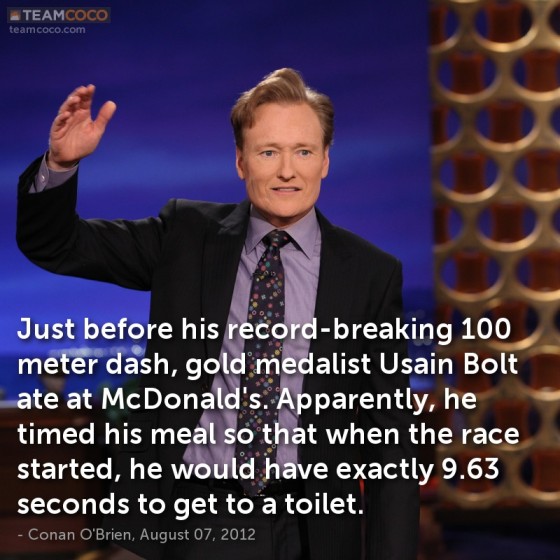
Talk about an athlete you can love and respect: the man ate Chicken McNuggets throughout his time at the 2008 Beijing Olympics. Apparently, Bolt was afraid to eat anything else while in China and estimates he consumed 1,000 McNuggets over his 10-day stay in the country. Somehow this didn’t lead to a McDonald’s sponsorship deal… perhaps it’s because his favoruite fast food restaurant has been noted as being KFC.

The Sip Advisor doesn’t like tying his shoe laces and apparently this is a trait shared with Bolt. The difference is, I’m an booze enthusiast who needs to be able to remove his shoes in the worst of stupors, while Bolt is a finely-tuned athlete who participates in a sport where equipment could make all the difference. Bolt even ran his record shattering 100m gold medal race with laces undone.

Bolt has his own mobile game app, Bolt!, which sees the track star running from pirates while trying to collect gold coins and avoid obstacles. Bolt is also a playable character in the wildly popular Temple Run video game series, which follows a very similar premise, just minus the pirates.

Conan on Bolt

The runner’s famous victory pose, dubbed ‘To Di World’, is more commonly known the world over as ‘Bolting.’ I’m still waiting for my ‘Sipping’ stance to take the universe by storm, but Mrs. Sip tells me I shouldn’t hold my breath. Then again, it’s not like I can really kill any MORE brain cells!

Bolt enjoys annual earnings of over $20 million, coming from prize money, appearances, endorsements, and even the Jamaican government. He has promotional deals with Puma, Visa, Nissan, Virgin Media, Gatorade, and many others, which account for all but approximately $300,000 of his net worth.

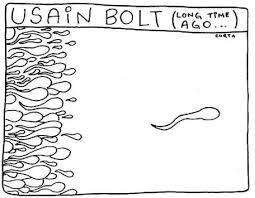
Bolt Sperm

The Jamaicans are a musical bunch (our next post will focus on reggae and the Rastafarian movement) and Bolt even has his own line of headphones. Soul Electronics signed a deal with the runner to be their global ambassador. He also has his own restaurant and sports bar in Jamaica, called Tracks & Records, as well as a clothing line.

An autobiography chronicling Bolt’s life was released in 2010. Titled ‘My Story: 9.58: Being the World’s Fastest Man,’ Bolt said of the book at a press conference before it hit store shelves: “It’s my life, and I’m a cool and exciting guy.” Sounds about right for a guy who in his free time enjoys dancing and DJ’ing and has been described as laid back… everything you might expect from a Jamaican appearing in a Red Stripe beer commercial!

Jamaica: Neo-Tropical

Neo-Tropical Cocktail

  • 2 oz Appleton Rum
  • 0.5 oz Coconut Rum
  • 0.25 oz Jagermeister
  • 0.25 oz Raspberry Liqueur
  • Splash of Pineapple Juice
  • Garnish with Raspberries

I can’t believe how many similarities the Sip Advisor shares with this world-class athlete. From the untied shoes to supporting Manchester United to our mutual love of chicken nuggets… look out, Mrs. Sip, I think I’m falling in love with the man!

Sip Advisor Bar Notes (3.5 Sips out of 5):
This cocktail’s liquor mix was interesting with Jagermeister being invited to play with the rums. Once again, Pineapple Juice isn’t a favourite mixer of mine, but it was decent here. I’ve always loved Raspberries as a garnish and this rendition was no different.

India – Pitch Dark

Father of a Nation

I could never go on a hunger strike. I love food and enjoy eating way too much to ever stop. Plus, I really don’t care about anything passionately enough to drop my utensils and lose inches from my waistline. In this way (and many others), Mahatma Gandhi and I differ. Gandhi, striving for the independence of India and looking to achieve it through non-violent means, advocated for social disobedience, as opposed to baring arms. Let’s learn a little more about the Father of India:

Mahatma isn’t actually Gandhi’s first name, as that is an honour that was bestowed upon him as early as 1914. It means “High-Souled” or “Venerable” in Sanskrit. He has also received the title Bapu, which translates to “Father” or “Papa” in Gujurati. Ghandi’s actual given name is Mohandas.

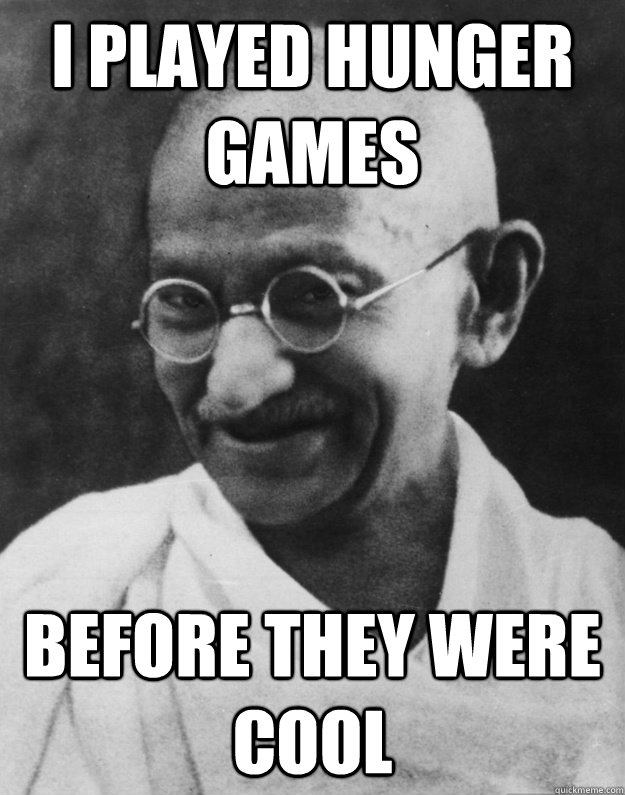
Hunger Games

At the young age of 13, Ghandi was married to Kasturba Makanji. Of course, the nuptials were of the arranged variety, as the two had been engaged to one another from the age of seven. The two stayed together through four children and even Gandhi’s vow of celibacy, until Makanji died in 1944 at the age of 74.

Ghandi was hardly on the path to lead an entire nation as a youngster. He was so shy that he would run home from school every day, just to avoid speaking to anyone. Gandhi actually spoke English with a slight Irish accent, as one of his first teachers was from Ireland.

It was in South Africa, not India, that Ghandi first gained a reputation as a fighter for social justice. A lawyer by trade, Ghandi found work in the British- and Dutch-controlled country, where discrimination against Indians was rampant. Ghandi joined the cause for improved civil rights for Indians in South Africa, also developing his theory of “Satyagraha” (“Firmness in Truth”) and nonviolent protest. Ghandi was arrested multiple times before leaving the state in 1914 and returning to India to fight for India’s independence.

Ghandi loved to walk, which served him well for the Salt March of 1930, a 241 mile trek to the sea at Dandi. This was one of Gandhi’s most important actions on his rise to power and was triggered by the British levying a tax on salt. More than 60,000 Indians were arrested for their involvement with the protest.

Gandhi - Yoda

On January 30, 1948, Gandhi was shot three times in the chest by a fellow Hindu, Nathuram Godse. Godse was upset by Gandhi’s acceptance of a plan to split India into two separate countries: India and Pakistan, feeling the leader catered to Pakistan too much. Godse was hung for his crime on November 15, 1949, along with co-conspirator Narayan Apte. Ironically, on the day of his death, the extremely punctual Ghandi was 10 minutes late for a prayer meeting. Following his death, Gandhi’s ashes were spread throughout the India, with one urn now residing at the Self-Realization Fellowship Lake Shrine in Los Angeles (this would mark Gandhi’s only trip to North America).

Nominated for a Nobel Peace Prize five times, Gandhi never received the award. He was being considered again in 1948, the year he was assassinated. That year, no Peace Prize was handed out, with the Nobel committee announcing that there was “no suitable living candidate.” Later winners of the Peace Prize, Martin Luther King Jr., Aung San SuuKyi, Nelson Mandela, Adolfo Perez Esquivel, and the 14th Dalai Lama all credited Gandhi as an inspiration. The Gandhi Peace Prize has been given out by the Indian government a total of 13 times since 1995, with Mandela being a former recipient.

Gandhi was named Time Magazine’s ‘Man of the Year’ in 1930 and was runner-up to Albert Einstein for ‘Person of the Century.’ Gandhi’s birthday of October 2nd has been granted the distinction of being ‘International Day of Nonviolence,’ while his death date of January 30th has become ‘School Day of Nonviolence and Peace.’

A movie based on Gandhi’s life was released in 1982. The film starred Ben Kingsley (aka The Sexy Beast) as the activist and politician. Gandhi won eight Academy Awards, including Best Picture, Best Director, and Best Actor in a Leading Role for Kingsley. An interesting upcoming work called Welcome Back Gandhi will look at how Gandhi might approach modern day India and its issues.

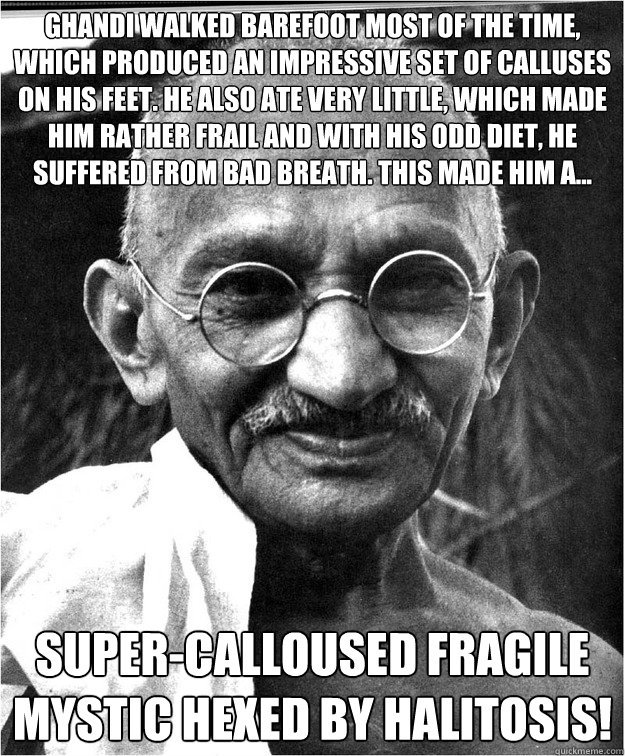
Ghandi Super

Gandhi is a character in the cartoon Clone High, which takes numerous historical figures and puts them back in a high school being run as a secret U.S. government operation. He is joined by the likes of Abraham Lincoln, Joan of Arc, John F. Kennedy, Cleopatra, Genghis Khan, Julius Caesar, and others. This version of Gandhi, however, is a party animal, as opposed to the real Gandhi, a fact which upset Indians when they learned of the short-lived series.

After being influenced by Leo Tolstoy’s book, ‘The Kingdom of God is Within You,’ Ghandi became pen pals of sorts with the Russian author. Similarly, Henry Ford was an admirer of Gandhi and Gandhi even took the time to send Ford an autographed charkha. One other interesting note: the same carriage that held Gandhi’s body for his funeral was used again nearly 50 years later, in 1997, for Mother Teresa’s memorial.

India: Pitch Dark

Pitch Dark Cocktail

I was going to discuss India’s reputation as a call center hub, but I got put on hold and went in the Gandhi direction, instead. In his honour, I will have a massive feast tonight and pour one out for my homies!

Sip Advisor Bar Notes (4 Sips out of 5):
It was quite difficult finding recipes specifically for Royal Challenge Whiskey. This is a pretty plain and simple cocktail, but it was one of the better drinks I could find that utilizes this specific whiskey. It was a good cocktail and exactly what you’d expect from the classic combination of ingredients. I only wish that more options for Royal Challenge existed.

Poland – Warsaw Cooler

Da Freakin’ Pope

Poland has a ton of famous folks to offer as fodder for this Around the World project. Sure, the country can lay claim to dignitaries such as director Roman Polanski, astronomer Nicholas Copernicus, scientist Marie Curie, and musician Frederic Chopin, but the man born Karol Józef Wojtyła in Wadowice, Poland tops them all. That’s because he’s better known as Pope John Paul II… which, I’m led to believe is a pretty big deal. From this point forward, as we learn about the Pontiff, I will refer to his as JP2, his rapping name:

Despite considering a career in theatre as a young man, JP2 became an ordained priest in 1946. 32 years later, at the age of 58, he ascended to the position of Pope, becoming the first Polish Pope ever, as well as the first non-Italian Holy Father since 1522. In between all that, he was appointed Archbishop of Krakow and made a Cardinal (and here I never knew he played baseball (St. Louis) or football (Arizona)).

pope ready to rock

JP2’s reign as Pope lasted more than 26 years, ranking him second all-time for longest tenure as the head of the church. He certainly lasted longer than John Paul I (aka ‘the smiling pope’), who died one month after being appointed. At 58 years old when elected, Wojtyla became one of the youngest Popes in history.

When JP2 made his first trip back to Poland, after becoming the Pope, in 1979, 300,000 people came out to see their famous countryman. At one point during his visit, the crowd applauded for 14 minutes straight. I’m lucky to generate my own slow-clap whenever I serve a drink and nobody seems willing to join in with the ovation.

JP2 was an avid writer and averaged 3,000 penned pages per year during his years at the very top of the church. Combined, his works would equal 20 bibles in length. JP2 can also speak eight different languages. As you little sippers have seen over the years, I struggle with one language and it’s my native tongue! Another random tidbit: JP2 created World Youth Day in 1986 and it has since been celebrated around the world. As someone who is no longer a youth, it kind of sucks to be excluded from this party.

Pope with Bush

In 1981, JP2 was shot in the stomach, right arm and left hand by Mehmet Ali Agca (from Turkey), as his procession entered St. Peter’s Square in the Vatican City. Doctors needed over five hours of surgery to repair damaged done by the attack and the Pope remained in hospital recovering for two and a half months. The assassination attempt occurred on the feast day for Our Lady of Fatima and after he survived, JP2 placed one of the bullets used in his attempted murder in the crown of the Lady of Fatima statue. Shortly after being released from the hospital, the Pope decided to meet with his attacker, although their discussion was kept confidential.

The Popemobile already existed before this attack in various forms, but following the assassination attempt, the vehicle was outfitted with bulletproof glass. Oddly, the site of the murder plot, St. Peter’s Square, often hosts events where the Pope’s vehicle is open air.

popemobile

In 1994, JP2 was named Time Magazine’s ‘Man of the Year.’ This is an honour I’m still holding my breath for, although I’m starting to feel a little light-headed. Of the Pontiff, Time wrote: “His power rests in the word, not the sword… He is an army of one, and his empire is both as ethereal and as ubiquitous as the soul.”

Pope John Paul’s career was filled with apologies to groups harmed by the Catholic Church. In total, he delivered more than 100 public admissions of guilt involving subjects including the African slave trade, Protestant Reformation and burning people at the stake, crimes against women and women’s rights, inactivity during the Holocaust, and, of course, Catholic sex abuse victims. The only time I ever apologize is when I don’t have time to scarf some potato chips and I leave my potato bros hanging.

Making Mrs. Sip furiously jealous, JP2 travelled more than any other Pope in the history of Popedom. If you added up all the miles (775,000) he traversed over his career, you would have been able to travel to the moon and back three times. He appeared in 129 countries and was even the first Pope to enter a mosque.

Pope Computer

A fan of sport and the outdoors all his life, JP2 didn’t give up skiing until he was 73 years old. Can you imagine a dude roaring down the mountain dressed in all white and with that extravagant hat on his head!? Better yet, do you think they converted any of the chairlifts into a bulletproof, Popemobile style transporter!?

JP2 passed away on April 2, 2005 from heart failure, cardio-circulatory collapse, and septic shock. He had also waged a long battle with Parkinson’s disease and was 84 at the time of his death.

Poland: Warsaw Cooler

Warsaw Cooler Cocktail

  • 1 oz Zubrowka Bison Grass Vodka
  • 0.5 oz Spiced Rum
  • 0.5 oz Triple Sec
  • Top with Apple Juice
  • Splash of Lemon Juice
  • Dash of Simple Syrup
  • Drips of Honey
  • Garnish with an Apple Slice

Pope John Paul II sure led a controversial life, but he was easy to cover than Roman Polanski would have been. Something about that long standing sexual assault case would have been too glaring to not spend a fair bit of time and words on. To the Popemobile, my little sippers!

Sip Advisor Bar Notes (4 Sips out of 5):
I’ve wanted to try the Zubrowka Bison Grass Vodka for some time and here the opportunity finally presented itself. The Vodka is very interesting and I’ve already gone ahead and enjoyed it in various cocktails, particularly Caesars! This recipe was pretty damn good. It was a touch sweet, but nothing too dramatic. Them bison’s make some good booze!

Croatia – Belle of the Ball

Mad Scientist

While most have heard of Thomas Edison, the same can’t be said for his rival Nikola Tesla. Tesla was born in what is now Croatia in 1856 and the genius inventor created and theorized significantly over his life, but fell into obscurity after dying. Only in recent years, have his achievements gained more recognition with many coming to the conclusion that his alternate current (AC) electricity was in fact better and safer than Edison’s direct current (DC) electricity. So, let’s tune up some AC/DC and learn about the unsung hero:

Tesla once worked for Edison, designing and improving electrical equipment. As he relocated from France to the United States, he was aboard a ship that faced a mutiny and was nearly tossed overboard. Some of his money, luggage, and even his ticket aboard the vessel were stolen. When he arrived in New York City, he had four cents to his name. He must have hid those pennies real well!

Tesla Electrifying

The beginning of the two men’s rivalry may have occurred when Tesla began redesigning Edison’s motors and generators with the promise of a $50,000 reward. When improvements were made, Edison said he was merely joking, although he did offer a weekly pay raise to Tesla, who quit the job immediately.

The War of Currents between Edison and George Westinghouse (who employed Tesla as a consultant and used his alternate current patents and inventions) drove both men to the brink of bankruptcy. The AC current won the war, despite Edison’s smear campaign against Tesla and Westinghouse, using AC to electrocute animals in an attempt to show it as more dangerous and even inadvertently creating the electric chair method of capital punishment. Suck it, Edison!

Legends persist that Tesla and Edison were to be co-winners of the 1915 Nobel Prize in Physics, but one or both of them refused the honour thanks to their bitter hatred of each other. Some even say that Edison, who had grown wealthy thanks to his inventions, balked at the reward just to make sure Tesla didn’t receive any prize money.

Tesla's Bitch

Because of his Eastern European ethnicity and some of his concepts and inventions, Tesla gained a reputation as a mad scientist and a number of conspiracy theories center on the inventor, such as UFO and occult related notions. Some of Tesla’s papers are still classified by the U.S. government and when asked for through Freedom of Information requests, are heavily censored.

A hero of super villains everywhere, Tesla claimed to have invented a death ray, dubbed ‘Teleforce.’ Known as a “directed-energy weapon” or even a “peace ray,” Tesla insisted he had built and tested the device. When he grew suspicious of spies and other officials trying to steal the plans from him, he revealed that the entire blueprint was in his mind and had never been drawn out on paper.

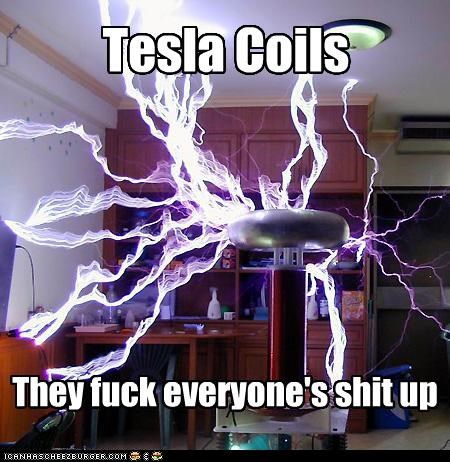
Despite all the rumours, Tesla had over 700 patents to his name and can be credited with work in robotics, radar, wireless communication, lighting, and so much more. Tesla was also a showman and often invited the press to his birthday party, where he would unveil new creations and discuss his various theories. Among his greatest inventions was the Tesla Coil, which allowed the transmission of electrical energy without wires.

Tesla Coils

As it is with most brilliant people, Tesla had some quirks. He claimed to only need two hours sleep each night (although he napped, as well) and had some issues with obsessive compulsive disorder, including the cleaning of cutlery and a fascination with the number three, going so far as to wash his hands three times in a row and walk around a building thrice before entering.

Sounding like Sheldon Cooper from The Big Bang Theory, Tesla denounced marriage and sex, stating “I do not think you can name many great inventions that have been made by married men.” At least he didn’t use Sheldon’s term of coitus when he believed that getting down with his bad self would take away from his scientific achievements. Hey, the guy did create remote control, radio, and even lasers, so perhaps he was onto something.

One thing I can certainly fault Tesla for (I mean, aside from his anti-sex agenda) was his affection for pigeons. I’ve written numerous times about my disdain for the winged rats, but Tesla would go so far as to rescue injured pigeons and bring them home. He even fell in love with one, writing “I loved that pigeon as a man loves a woman, and she loved me. As long as I had her, there was a purpose to my life.” Now, that, my little sippers, is a prime example of eccentricity!

Tesla Kitten

Tesla passed away in 1943, with little to no fortune, unlike his contemporaries, Edison and Westinghouse. After dying, Tesla was cremated with his ashes being placed in a golden sphere urn, as the sphere was his favourite shape (despite reportedly hating round jewelry like pearls and even going so far as to not speak to women who wore them). The urn is on display at the Nikola Tesla museum in Belgrade, Serbia.

Posthumous honours for the scientist include the unit of measure for magnetic field strength being known as a “tesla” and an electric car company, Tesla Motors, being named in memory of the inventor. Best of all, he now has a Sip Advisor article dedicated to his work!

Croatia: Belle of the Ball

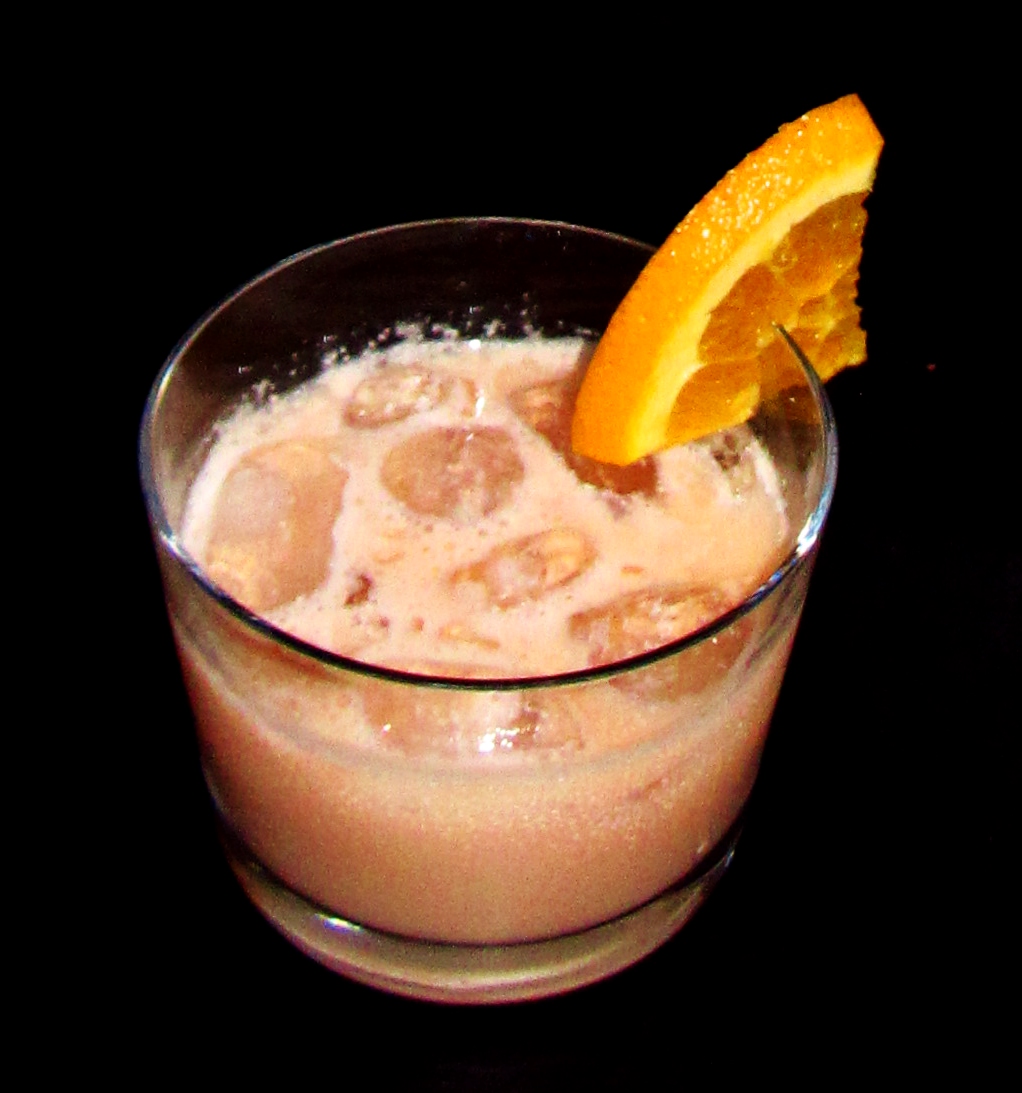
Belle of the Ball Cocktail

  • 0.75 oz Irish Crème
  • 0.5 oz Rakija
  • 0.25 oz Campari
  • 0.25 oz Jagermeister
  • Dash of Angostura Bitters
  • Garnish with Orange Slice

I’ve become interested in Tesla in recent years and it seems I’m not alone, as others become recognizant of the fact that his contributions to the world went largely uncelebrated compared to some of his partners and adversaries. This drink is made in his honour!

Sip Advisor Bar Notes (2.5 Sips out of 5):
This cocktail is pretty good… until that damn Campari bitter aftertaste kicks in and dominates the whole experience. The Rakija is pretty strong too, but not in a necessarily bad way. The cocktail measurements don’t provide a big drink, so it’s not like you’re dedicating a lot of time to it. Give it a shot if you’re curious, but it might be one recipe to avoid.

Brazil – Leite de Onça

Party People

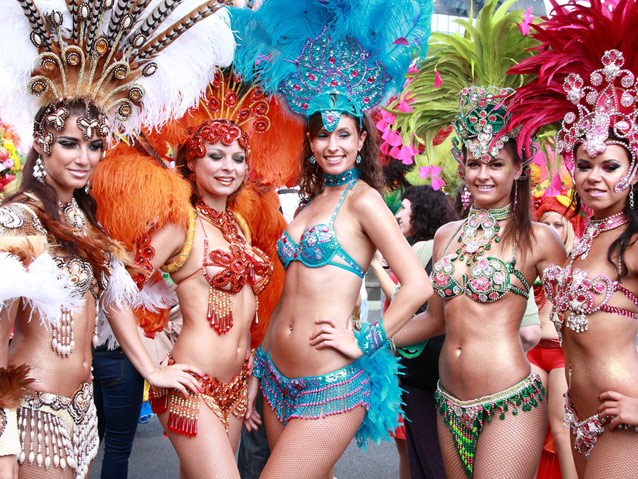
Now, we could have delved into the history and statistics of the Brazilian Wax, while visiting the country, but instead we’ll delve into the intricacies of Carnival, an event which gathers folks from around the world for music, masks and revealing costumes! Trust the Sip Advisor, I pushed hard at the creative team meeting to do the wax article, but was shot down by the powers that be… oh well, it’s time to party on!

Carnival lasts four days, leading up to Ash Wednesday and is considered one of the world’s largest celebrations and parties. The national holiday also marks the beginning of Lent, which encompasses 40 days of sacrifice en route to Easter. The event is celebrated differently in various regions of Brazil, where everything from music to costumes can differ, but Rio de Janeiro is home to the most-populated Carnival experience and therefore the location we’ll focus on.

hot girl-carnival

I decided that every photo for this article will feature a beautiful woman… life is pretty great when you’re running the show!

The first Carnival took place all the way back in 1723. The term comes from carnelevare, which loosely translated means “to remove meat,” one of the items traditionally neglected during the period of Lent (and why I’ve never been a Lent-suffering person). Over time, Carnival evolved to include masquerade balls before the lively parades that the event is known for today.

The highlight of Carnival is the Samba Parade, which sees all of the different groups (200-plus) compete in the Sambrodromo, where they are judged based on their floats, costumes, dancing, and music. Some groups spend excessively on these requirements, sometimes into the millions of dollars. All this, despite the units being largely made up of Brazil’s poorest citizens. I hope they do more than car washes to raise the necessary funds.

Given the two million-plus people lining the streets each day of Carnival, many Brazilians will retreat to quieter, more relaxing places for the duration of the festivities. I can’t really blame them. As much as I’d love to party in Rio for the week, I don’t do well in crowds – at least ones that aren’t caused by being in a Disney theme park – and probably wouldn’t be able to completely enjoy myself.

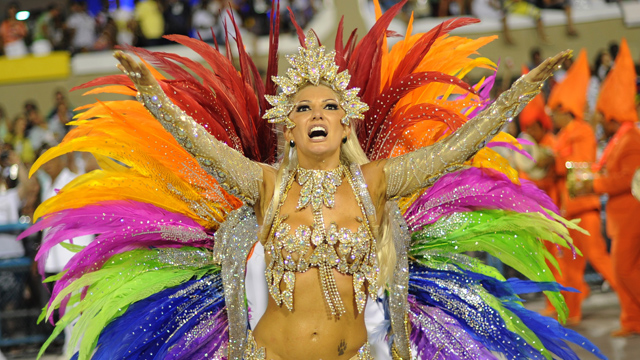
A reveller of Mocidade samba

Your plumage is fierce, babe!

Another reason for the locals to get out of Dodge, is that cities around Brazil practically shut down for Carnival. Only industrial operations, malls, restaurants, hotels, and other businesses needed to stay open for the celebrations remain active. Despite the closures, 250,000 jobs are created thanks to Carnival, which generates hundreds of millions of dollars for the country’s economy. Carnival can cause Brazil to become a tourist trap, with the price of accommodations jumping sharply, sometimes four times what they would normally cost.

The 1959 film Black Orpheus introduced many foreigners to the Carnival revelries in Brazil. The movie was set in Rio and featured numerous local actors, as well as a soundtrack highlighted by legendary Brazilian performers. Black Orpheus caused outsiders to fall in love with the sights, sounds, and vibrancy of Brazil and later won the top prize at the Cannes Film Festival, as well as an Oscar for Best Foreign Film.

In Rio, parades begin at 9:00pm and don’t end until 5:00am, with the city’s metro system open 24 hours on parade days. Performers must wear a costume, which can include masks, headdresses, feathers, and exposed skin! Carnival takes place during the hottest part of the year for Brazil, which means tons of sweaty, sunburned, dehydrated folks… you’ve now been warned!

Rio 5

Nothing wrong with pluralizing my earlier comment!

Although there is an overwhelming number of public toilets placed around the cities hosting Carnival events, ‘Pee Patrols’ have been set up to stop partygoers from relieving themselves in the streets. I wish we had these officials in my neck of the woods. Too many times, the Sip Advisor walks into his building’s back alley and is greeted by the pungent aroma of urine.

There is also Micareta, which occurs in the off-season and allows locals to celebrate without all the lame tourists invading the country. For us travelers, let’s get this party started!

Brazil: Leite de Onça

Leite de Onca Cocktail

  • 1 oz Cachaca
  • 1 oz Crème de Cacao
  • Top with Milk
  • Garnish with Chocolate Sprinkles

Now that you’re all partied out, it’s on to the next stop of our journey. While we leave Brazil with a new fondness for the country in our hearts, we soon realize that our wallets are no longer intact… a true Rio de Janeiro experience!

Sip Advisor Bar Notes (4.5 Sips out of 5):
The name of this drink, Leite de Onça, translates to Jaguar Milk and one can only hope the drink will give you the powers of the big cat. I have to say that I was quite impressed with the recipe. You can never go wrong with mixing Crème de Cacao and Milk (takes me back to Nestle Quik as a little sipper) and although I was apprehensive about adding Cachaca to that tried and tested combo, it really worked well. You kind of got a sugar cane rum burn at the end of each sip that wasn’t overwhelming and was actually quite pleasant. Now, I am one with the jaguars!

Brazil – Caiparihna

With Arms Wide Open

Brazil is instantly recognizable thanks to the Christ the Redeemer (aka Cristo Redentor) statue that sits atop Corcovado Hill, in Rio de Janeiro. This modern wonder of the world is a highlight for any tourist, whether they’re a religious fanatic or a die-hard atheist… okay, it might not be for the atheists out there, but it’s still a cool site that must be seen. Let’s take some time to learn about the creation:

The mountain, Corcovado, means “hunchback” in Portuguese. It was once known as the ‘Mount of Temptation,’ in reference to the Bible, where Jesus was tempted by the devil. The statue and hill reside within the Tijuca Forest National Park. The top of Corcovado Hill can be reached via a number of different routes including climbing 220 steps or a system of escalators, built recently for the elderly and lazy alike. I think we all know which path the Sip Advisor would take! Pa Sip will be happy to know that there’s a railway, built all the way back in 1882, which is said to be the most unique way to traverse the mountain.

Jesus Wants a Hug

Because of its religious implications, the busiest times of the year for locals and tourists flocking to the site are Christmas and Easter. Visitors are advised to view the site in the evening so as to also enjoy the lights of Rio below.

The statue, which stands over 30 meters tall (the second highest religious bust in the world, behind Poland’s Christ the King), was built in France and shipped to Brazil piece by piece (the head alone is comprise of 50 separate parts). It was built using funds donated by the Catholic community of Brazil and was opened to the public in 1932 by Brazilian president Getulio Vargas. The effigy is estimated to have cost $250,000 US.

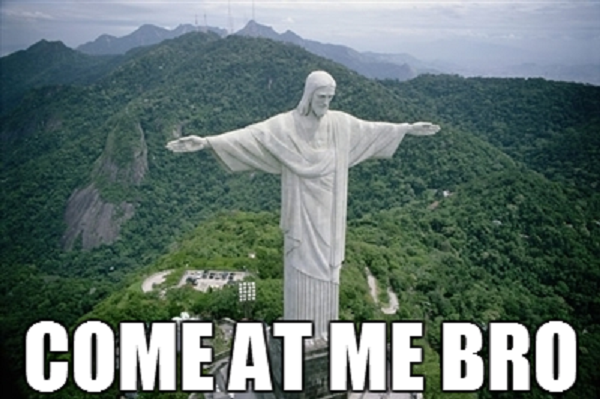
Built between 1922 and 1931, more than a thousand tons of concrete were used to mold the statue, which was constructed from head to toe. Original plans had Christ holding a cross and a globe, but the wide spread arms look was chosen instead. While most claim this is a symbol of peace, the Sip Advisor sees it as a boastful challenge and it is so on, Jesus. Now I just need to put together a bunch of carpenter jokes and book my trip to Brazil.

Come At Me Bro

Rumours persist that the builder of the statue’s head converted from Judaism to Christianity after working on the sculpture and wrote the names of his family members above the heart of Christ, on the inside and outside of the piece.

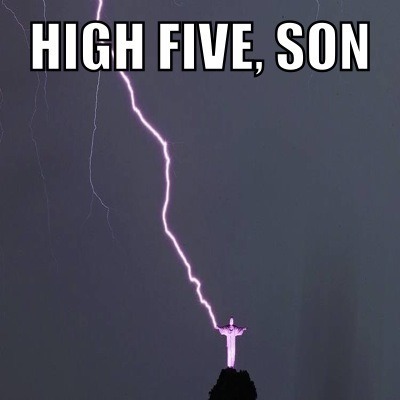
Over time, weather has eroded the statue’s fingers, lips and eyebrows with lightning strikes even taking their toll on the figure. It has been struck twice in recent years, leading to restoration projects to repair the damage. When the statue is updated due to erosion, a different colour of stone is needed due to the lack of quantity of the original material. Newer pieces can be identified by their darker tint.

In 2006, while Christ the Redeemer celebrated its 75th birthday, a small chapel was opened at the foot of the iconic statue, to be used for baptisms and weddings. I only wonder how much it costs to get hitched there and how long the waiting list must be.

God High Five

In 2010, the statue was vandalized with graffiti painted on the head and right arm. This act was called “a crime against the nation” by Mayor Eduardo Paes. A $10,000 reward was offered for information leading to an arrest and Military Police later apprehended 28-year-old wall painter Paulo Souza dos Santos for committing the offense. Was it really worth it, just to scrawl things like “When the cat’s away, the rats will play” on the sculpture? I guess he was really broken up about his missing kitty.

Christ the Redeemer has been featured in countless works, including movies, TV series, music, and video games. While it’s usually simply used to establish the setting as Brazil or more specifically, Rio de Janeiro, it has played a more integral role in some plots. In the disaster film, 2012, the statue even crumbles to bits as the result of an earthquake.

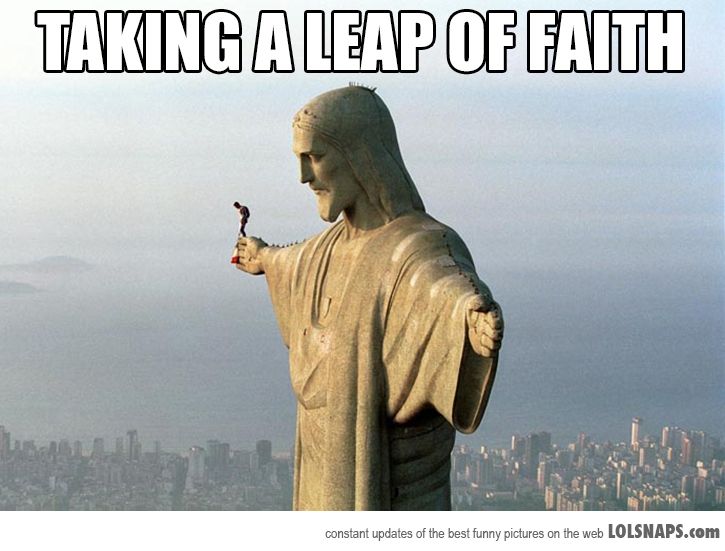
Leap of Faith

In games, famous plumber Luigi must track down one of the spotlights that illuminates the statue in the 1992 Super Nintendo game Mario is Missing. It was stolen by Koopa Troopers, but you have to wonder why the shit disturbers didn’t just steal the actual statue since the spotlight is said to be 35 meters tall, while the statue stands about 38 meters, including base. Personally, if I received the ransom note, I’d be like: “Eh, don’t worry about… we’ll just buy ourselves a new spotlight or close the attraction down at night.” Stupid Koopa Troopers!

Finally, there are copycat statues around the world, inspired by Christ the Redeemer, including versions in Guanajuato, Mexico; Arkansas, United States; Havana, Cuba; Ibiza, Spain; and Almada, Portugal. Before you know it, they’ll be everywhere!

Brazil: Caiparihna

Caipirinha Cocktail

  • Muddled Lime Wedges
  • 1.5 oz Cachaca
  • Pinch of Brown Sugar
  • Garnish with a Lime Wheel

I remember playing the Carmen Sandiego computer game way back when I was a little sipper and when you traveled to Brazil, the pixelated image that greeted you was the Christ the Redeemer statue. It’s funny what sticks with you (especially when you drink like the Sip Advisor does), but that was actually the inspiration for this post!

Sip Advisor Bar Notes (3.5 Sips out of 5):
The Caiparihna is a signature cocktail for the Cachaca spirit and therefore for the entire country of Brazil. There are other variations of the drink, but this is the traditional recipe. Despite the lack of mixing ingredients, I thought it was pretty good. The Brown Sugar is a nice touch and a must over White Sugar.

Japan – White Mountain

Gamesmanship

Simply put, without Japan, we wouldn’t have the video games we know and love. Companies like Nintendo, Sony, Sega, Taito, Namco, Capcom, and Konami all originated in the land of the rising sun and gave birth to many of the most popular systems, games, and characters ever. Here are some little known facts about those great gaming corporations:

Nintendo

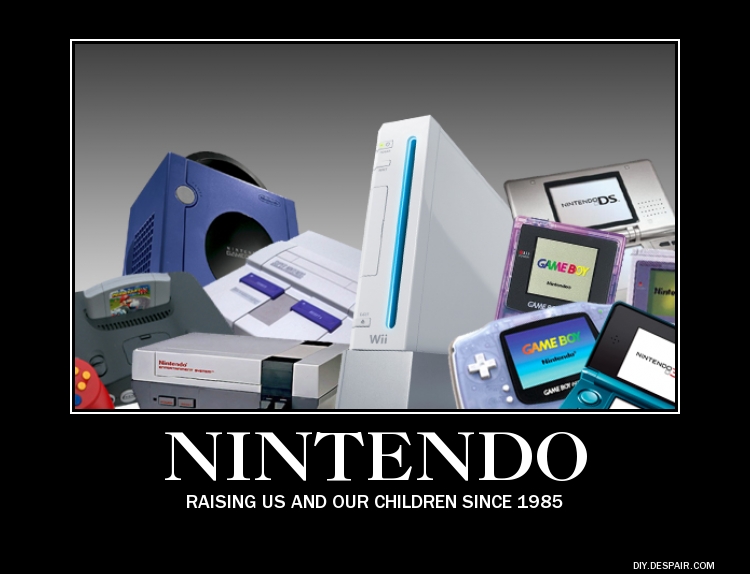
Nintendo has provided my favourite gaming systems growing up and even into my adult years. Titles starring the likes of Mario, Link, Donkey Kong, and others have made me a fan of the company that began operations all the way back in 1889 as a trading card enterprise. Nintendo even ventured into the love hotel business in the 1960’s, as well as a block building product meant to compete with LEGO. One of Nintendo’s first big releases, Donkey Kong, prompted legal action from Universal Studios, as they believed the character was too close to King Kong. Nintendo won the case, claiming the King Kong story and characters were part of the public domain. Finally, the company was a one-time owner of the Seattle Mariners… can you imagine a mascot Mario warming up in the on-deck circle!

Nintendo Raising

Sega

Originally a manufacturer of pinball machines, Sega entered the video game console market with the SG-1000 in 1983. While I never owned a Sega system, it was a treat to occasionally try exclusive games on it while visiting friends who owned them. Sega’s mascot, Sonic the Hedgehog was originally to have fangs, be in a band, and have a human girlfriend named Madonna, but those features were removed. Unlike Nintendo, Sega chose not to censor the bloodshed in the violent Mortal Kombat game, creating the Videogame Rating Council in response to the controversy that followed. After failed systems including the Saturn and Dremacast, Sega left the console world and became a game developer for other platforms, such as Nintendo, which is exclusively getting Sonic the Hedgehog releases.

Taito

Broski Sip and I loved a number of Taito games, particularly Bubble Bobble and Rainbow Islands. When a collection including these titles was released for PCs and other consoles in 2005, we were quick to snatch it up and spent hours reliving our childhood memories (and frustrations!). As a company, Taito moved from vending machines to jukeboxes, before finally settling on arcade games. In 1978, Taito released Space Invaders, which is one of video game history’s most popular titles and one which launched the ‘Golden Age of Arcade Video Games’. Today, Taito has been incorporated by Square Enix (developers of famous titles such as the Final Fantasy series) and operates a number of arcades throughout Japan, known as Taito Stations. I miss arcades, although I can’t say I ever frequented them.

Sony

Sony entered the video game console market when Nintendo ditched a partnership between the two to distribute a CD-ROM drive that would work with Super Nintendo systems. Sony decided to continue down the path they had already started and in essence, Nintendo created their own competition when Sony released the Playstation to compete with the Nintendo 64. The company’s name comes from ‘sonus,’ the Latin word for sound mixed with the slang term ‘sonny’, which for the Japanese meant smart and presentable young men, an appearance founders Akio Morita and Masaru Ibuka believed they exhibited. Of course, we also recognize Sony’s branding from their Walkman and Discman music delivery devices and in other parts of the world, Sony even has financial institutions under their umbrella.

Sony Box

Namco

Namco originated as operators of children’s rides on the roof of a Yokohama, Japan department store and entered the arcade game business in 1970. In 1985, Namco would bid to purchase the struggling Atari for a whopping $800,000, dwarfing other offers, such as Sega’s $50,000. Namco’s Pac-Man, released in 1980, was one of the industry’s most famous creations, although the game could also be cited as a cause of the 1983 Video Game Crash, as Atari rushed to release the game on their home console and it failed to sell as well as hoped. Namco had plans to compete with the Super Nintendo and Sega Genesis in the late 80’s and early 90’s and released the SuperGrafx console, which was another failure. In more recent years, the company has entered the amusement park business, as well as merged with Bandai in 2005.

Capcom

Capcom’s biggest title is arguably the Street Fighter series of games, which produced one of the most legendary gaming myths of all-time. In Street Fighter II, when you were defeated by Ryu, his taunt of “If you cannot overcome the Rising Dragon Punch, you cannot win!” was mistranslated to read “You must defeat Sheng Long to stand a chance.” This caused many players to theorize that Sheng Long was a hidden character in the game. Capcom eventually included the character in games years later and background graffiti in Wreck-It Ralph states that “Sheng Long was here!” Other popular series produced by Capcom include Resident Evil, Mega Man, and Devil May Cry. Capcom titles have been cited as some of the worst video game to movie adaptations ever, although the films are commercially successful.

Konami

While they have produced an extensive and memorable video game line-up, their Blades of Steel hockey release will be forever cherished by anyone who had the privilege of strapping on those virtual skates. The company’s name translates to “be creative” and they have certainly followed their own credo. Konami has dabbled in everything from health and fitness clubs around Japan to trading cards, anime, slot machines, and a slew of other products. Konami is also recognized for their Castlevania, Metal Gear, and Silent Hill franchises and even the most popular cheat code of all-time can be attributed to the company. Up, Up, Down, Down, Left, Right, Left, Right, B, A was usually good for some bonus power-ups and extra lives, which were usually necessary.

Japan: White Mountain

May 8

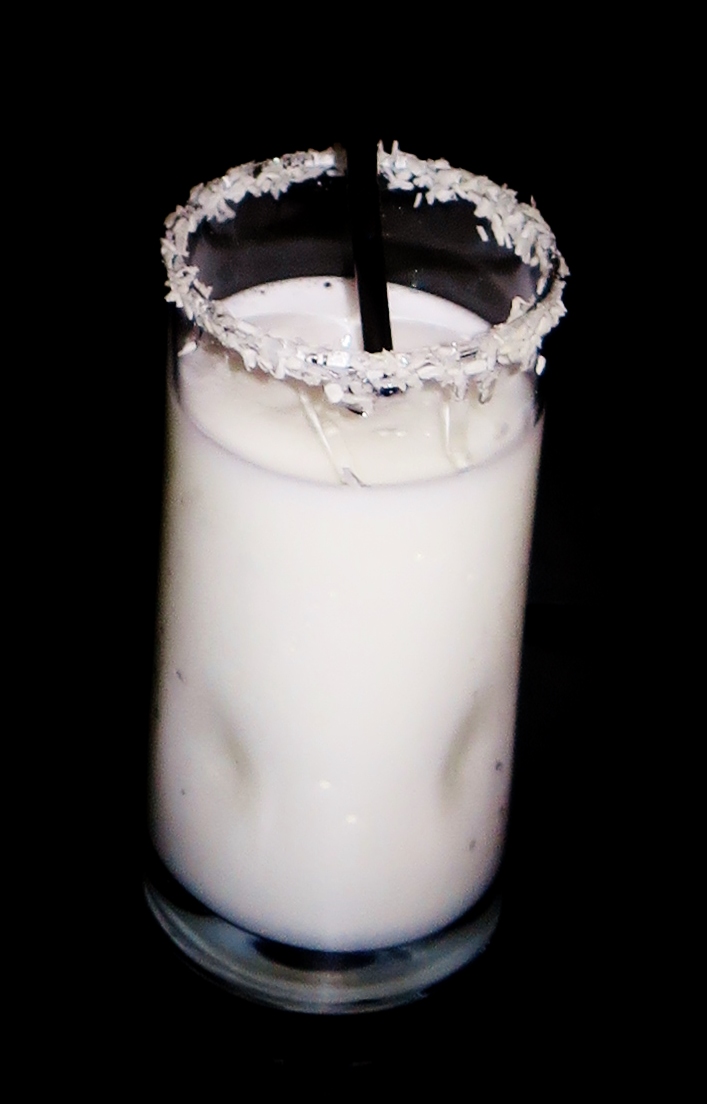
  • Rim glass with Coconut Shavings
  • 2 oz Sake
  • Top with Milk and Pina Colada Mix

While I’ve never been the biggest gamer, I definitely have a place in my heart and mind for video games. Last year, I did a two part series on my favourite releases ever and it was a wonderful trip down memory lane. You can check out those articles here and here.

Sip Advisor Bar Notes (??? Sips out of 5):
xxx

Turkey – Fly Swatter

Shop Til You Drop

Traversing the Grand Bazaar in Istanbul, Turkey can be a daunting task. The Sip Advisor, never one to leave anybody behind, will make sure we all get through unscathed, much like I did for Mrs. Sip in the markets of Egypt… except for that one guy who copped a feel of Mrs. Sip’s beautiful behind when I stopped paying attention, frustrated over the haggling between shopkeeper and customer. Let’s cautiously explore together!

There are also Grand Bazaars in Isfahan, Iran; Tehran, Iran; Urumqi, Xinjiang, China; and Tabriz, Iran. The Istanbul version is the oldest and one of the largest covered markets in the world. It spans 61 streets (each is dedicated to a particular profession) and houses over 3,000 stores. Anywhere between 250,000 to 400,000 people will visit the site each day. The Bazaar is open Monday through Saturday, 9:00am to 7:00pm, and entrance is free. Along with Sundays, the market is closed during religious holidays. The facility employs a colossal 26,000 people. Competition from modern day malls does exist, but the Bazaar has history on its side.

Grand Bazaar

There are four main gates to the Bazaar, including the “Second-Hand Book Sellers’ Gate” in the north, the “Skullcap Sellers’ Gate” in the south, the “Jewellers’ Gate” in the east, and the “Women’s Clothiers’ Gate” in the west. Each entrance is locked every night when the market is closed and opened up again in the morning.

Dealing with the high-pressure salespeople at the market can be a bit of a pain and the haggling system is something that thrills some and perplexes others. The Sip Advisor falls into the puzzled category, preferring marked prices over the mystery of bartering. If you want nothing to do with the dealing, simply walk by and say, “No thanks.” This usually works, except for the occasional loser who physically tries to get your attention and then it’s time for the Sip Advisor to “Hulk up” and throw a couple patented flying forearms.

A restoration of the Bazaar began in 2012 to solve many of the issues plaguing the market. Most notably, the lack of restrooms (I guess you could just pee wherever you like before) and repairing the infrastructure to combat the risk of any future earthquakes. Updates to the facility’s heating and lighting systems are also being carried out.

construction-meme

Construction for what would become the Grand Bazaar began in 1455-56, at the behest of Sultan Mehmet II, and lasted until 1460-61. This building, dedicated to the trading of textiles was soon joined by another building, constructed under Sultan Suleyman I. The textile market was moved to this new structure while luxury goods occupied the older building. The space between and around the edifices was quickly inhabited by other shops, creating a larger market scene. By the 17th century, the Bazaar had taken full shape and become the hub of Mediterranean trade thanks to the quantity, quality, and variety of goods that could be found there.

Fires, earthquakes, and other disasters afflicted the Bazaar over time. There were at least a dozen fires between 1515 and 1701, many of which caused great damage to the shops and structures. The expansion of the 19th century textile industry into western Europe and advancements in production methods took a major toll on the Grand Bazaar, which saw rental prices fall sharply compared to previous decades. Perhaps the Sip Advisor should set up shop in the place and regale customers with my tales of boozery!

The market has also seen its fair share of corruption. The most notable case took place in 1591 when 30,000 gold coins were stolen. The Grand Bazaar was shut down for two weeks while suspects (and likely completely innocent folks) were tortured by the forces tasked with solving the crime. The missing coins were found under some flooring and a young Persian musk dealer was to blame. He was hanged for his transgression, although Sultan Murad III saved him from being tortured to death.

hanged-man

While the Bazaar is now sectioned off into separate “stores”, it used to be that sellers each had their own stall, six to eight feet wide. There was no advertising by shopkeepers (even store names were not displayed) and a buyer could sit down with a vendor over Turkish coffee and come to an agreement in a relaxed conversation. Herbs and spices, crystal, jewellery, silk goods, sandals, armour and weapons, and books are among the items you might be able to find at the Bazaar.  Thankfully, I don’t need any of those.

The market used to operate in a guild system and because of this and the ethics of Islam, business operators didn’t compete as they do today. Prices were fixed to a standard number and success was shared among the union. Western influences changed that, as did other nationalities entering the Bazaar world to sell their wares. There was also a lack of restaurants in the market back in the day. You could still find simple items such as kebabs, but most workers brought their lunch from home. The Bazaar was a place for social gatherings among Turks, much like punk kids meet at the mall today to stare at their smartphones.

Nowadays, I only go to the mall to enjoy a cold beer. I don’t think that would be happening in Turkey, so might as well stay here and enjoy my own stock!

Turkey: Fly Swatter

Fly Swatter Cocktail

  • 1 oz Cognac
  • 1 oz Scotch
  • 0.5 oz Raki
  • Top with Orange Juice and Apple Juice
  • Garnish with Orange Wedge

I’m not big on shopping in general, but these market set-ups really take the cake. How do all you little sippers feel about them? Love’em? Hate’em? Just plain don’t care? Let me know. I’m glad we all made it through the Bazaar and only a handful of you lost your spouses or fortunes. Next up, we try Turkey’s traditional national sport: oiled wrestling. Yup, you read that right!

Sip Advisor Bar Notes (3.5 Sips out of 5):
I altered the ingredients slightly, using Sparkling Orange Juice, rather than plain old OJ and Apple-Lime Juice, instead of regular AJ. The result was pretty good for this booze heavy cocktail and the only ingredient I worried about, the Raki, fit in just right.

Turkey – Siege of Constantinople

Morsels and Mouthfuls

It may be the ancestor to my beloved jelly beans and for that alone, one has to appreciate and give thanks to the sweet snack from Turkey. Turkish Delight has a rich history, dating back nearly 250 years. Today, the delicacy has been embraced around the world. Here are some notes of interest as we stop for a quick bite in our Around the World tour:

Natural Viagra

Natural Viagra??? Probably cheaper than the pills, too!

Some stories say that Turkish Delight was created by a powerful sultan for the purpose of enticing his many mistresses. After all, the way to a woman’s heart is through her stomach… come on fellas, we all know this to be true. Anyway, the sultan had his kitchen staff prepare the gelatinous dessert and the rest is history. Or is it? Another fable has the treat being created as royal chefs competed for the attention of the sultan, with one cook creating what is now known as Turkish Delight.

The more plausible tale involves a sweet maker named Bekir Efendi moving his operation to Istanbul in 1776 and capitalizing on the notorious sweet tooth of Turkish citizens. Efendi’s Turkish Delights became the hottest item to have, a symbol of wealth and upper class standing. The pleasures were even exchanged by couples as token of love.

Once Efendi’s confections hit the royal palace and the sultan’s mouth, the popularity of the item skyrocketed. Efendi’s store still exists, with new recipes being dreamt up all the time, some including pistachios, walnuts, chocolate, and oranges.

Turkish Delight

From the thriving businesses of Turkey, the Delights have gained a fan base around the world:

Known as lokma (morsel), lokum (mouthful), and rahat-ul hulkum (comfort of the throat) in Turkey, the origins of the name Turkish Delight are said to trace back to a British man, who fell in love with the dessert during visits to Istanbul and purchased cases of the product to be shipped back home under the label ‘Turkish Delight’. It spread throughout Europe’s upper class, being exchanged as presents wrapped in silk handkerchiefs. The treat has also been known as ‘Lumps of Delight,’ long before the Black Eyed Peas forever changed what we thought of when we heard the term lumps.

Across the commonwealth, in places like the U.K., Australia, New Zealand, and South Africa, folks can also get their sweet fix with Fry’s Turkish Delight by Cadbury, although the product varies from the traditional creation.

Turkish Delight is known as rahat in Romania, but because Turkish words were altered to be more harsh, if not entirely eliminated from Romanian language, the term translates to meaning “shit”. Just be cautious, if ever in the country, to not beg for a sweet mouthful of rahat, or else you may find yourself the literal butt of a joke.

Tim+Tam+Turkish+Delight

I want to try this product so bad… combines two things I really enjoy!

In the United States, two Armenian immigrants began manufacturing Aplets and Cotlets in 1930. The Turkish Delight used apples and apricots, respectively with walnuts. In 1984, their Liberty Orchards company based out of Cashmere, Washington added a Fruit Delights line, with strawberry, raspberry, orange, blueberry, peach, cranberry, and pineapple flavours. In recent years, Liberty Orchards has also released more traditional flavours, such as rose-pistachio, orange-blossom-walnut, and rose-lemon. Mrs. Sip and I have been to their factory, along with many trips as a wee little sipper with Ma and Pa Sip. It’s a quaint little place with so many free samples to gorge yourself on and a tour of the production line.

At home, here in Canada, you can get the Nestle chocolate bar Big Turk, which is a delicious blend of pink Turkish Delight and chocolate. Most Bridge Mix packs also contain red and green Turkish Delight balls, along with chocolate-covered peanuts, raisins, almonds, and the other usual suspects.

Turkish Delight is also popular in Greece and Brazil, stretching the treat’s influence around the world.

Its most recognized use in pop culture is in The Lion, the Witch and the Wardrobe, which sees the character of Edmund Pevensie dying as a result of his addiction to the confection. Despite what some would view as a negative connotation, sales for the product went up after the 2005 film The Chronicles of Narnia was released. Clearly, people are stupid, so let’s have a drink in their honour and sample some Turkish Delight!

Turkey: Siege of Constantinople

Siege of Constantinople Cocktail

  • 1.5 oz Raki
  • 0.5 oz Vodka
  • Top with Tonic Water
  • Splash of Chile Syrup
  • Dash of Simple Syrup
  • Dash of Orange Bitters
  • Garnish with Orange Zest

In its native land, Turkish Delight is often served with the equally revered Turkish Coffee, but I don’t swing that way, so let’s booze it up instead and finish off an entire box of the dessert before we even realize what’s happening!

Sip Advisor Bar Notes (3.5 Sips out of 5):
I was very curious as to how the Raki and Tonic Water in particular would mix together. It wasn’t as bad as some may fear and when you add the other touches, such as the Chile Syrup and Orange Bitters, you have the making of a unique and interesting cocktail that may not be for everyone, but deserves a chance from those brave enough to experiment.