Netherlands – Amsterdammertje

Red Light Diaries

No trip to the Netherlands would be truly complete without a stroll through Amsterdam’s infamous Red Light District. No matter how illicit you want to get, it is a cultural experience that must be enjoyed. Mrs. Sip and I imbibed a little too much while we were in the “Venice of the North” (seriously, every place is the Venice of something!), but I’m itching to go back and try my luck again!

Amsterdam actually has three Red Light Districts, but the most famous of them is the area also known as ‘De Wallen’ in Old Amsterdam. This Red Light Distrcit has existed for hundreds of years. Since the 14th century, brothels have called the region along the city’s numerous canals, home. Once banned, but tolerated if kept underground, houses of ill repute were first allowed in 1811 and were frequented by French soldiers.
Hot Chicks RLD

Prostitution is legal in the Netherlands and with any time spent in the Red Light District, you will be sure to see an array of women (and on some occasions, even men) advertising themselves through red-light lit windows for various services. If you agree upon a price with one of the workers, you will be ushered into their cabin. It is a big no-no to take any photos of the workers, some of whom are students making money for their studies.

De Wallen is also famous for their Coffee Shops, where locals and tourists alike can eat, smoke, or even drink any number of normally illegal substances. These shops are licensed by the Dutch government. It should be noted that these stores are prohibited from selling alcohol and cigarettes, so you’ll have to get your drink and normal smoking done elsewhere.

There are also live sex shows, sex museums, sex theatres, sex shops (sex, sex, sex, is that all you ever think about!), bars and clubs, museums, and even a department store. In fact, Amsterdam is home to 51 different museums, making it one of the most museum-populated cities in the world. You should enjoy the destination while it lasts, as there are fears it will eventually disappear, given most of the city is already below sea level.

What's a RLD

If you want to see the city, but aren’t so interested in the darker activities offered in the Red Light District, there are a number of other attractions definitely worth checking out. This includes: Canal Cruises, Walking Tours, the Heineken Experience, the Vodka Museum, the House of Bols, the Anne Frank House, the Van Gogh Museum, the Rembrandthouse, and the Rijksmuseum, which is described as the Louvre of the Netherlands.

Amsterdam is the bicycle capital of Europe, with one million bikes for a population of 700,000 people. Any travelers spending time around the city or going through the Red Light District, should always be vigilant and keep an eye out for bicyclists and whether or not they’ve accidentally entered onto a bike path. I suppose given all the libations available in the city, intoxicated biking is better than driving!

Some events to keep in mind if planning a trip to Amsterdam are King’s Day in April, providing the perfect excuse for crazy parties and the High Times Cannabis Cup, described as “five days of pure hedonism,” in late-November. Worldwide events, such as Pride and New Year’s Eve, when celebrated in Amsterdam sound quite interesting. For Pride, there’s a naughty boat parade through the canals, while at New Year’s, most bars don’t even open until midnight hits.

Netherlands: Amsterdammertje

Amsterdammertje Cocktail

  • 1.25 oz Jenever
  • 0.75 oz Peach Schnapps
  • Top with Cranberry Juice
  • Garnish with Cranberries

Talk about crazy folks: Adults in the Netherlands like to add sprinkles (like the ones used as an ice cream sundae topping) onto their toast. This is something the Sip Advisor will surely have to try in the future!

Sip Advisor Bar Notes (4.5 Sips out of 5):
Friends of Mrs. Sip and myself visited the House of Bols while they were in the Netherlands and were incredibly kind enough to pick us up a couple treats, while there. This included this wonderful bottle of Bols Jenever that I used for our Around the World stop here, as well as a cocktail recipe booklet, which is hilariously in Dutch (English version does not exist yet) and requires some Google translating! This is one of the drinks that looked fun to make and it certainly hit the spot on the taste scale.
Trinidad & Tobago – The Cephalopuch

How Low Can You Go?

We’ve all taken a crack at shuffling under the limbo bar. In fact, the Sip Advisor is quite adept at the limbo, thanks to flexibility and willingness to do stupid things. Well, we have Trinidad and Tobago to thank for this dance style. Let’s take a closer look at the popular contest:

Limbo goes all the way back to the mid-1800’s. Before its days as a party contest, it was used at funerals and wakes under a more somber tone. To signify death turning into life, the bar was set at its lowest point, rising in progression. I don’t think this would work for the Sip Advisor, as I’m planning on having my entire celebration of life centered on TV show theme songs: The Price is Right, Family Feud, etc.

Invisible Limbo

The general rules of limbo has each competitor shuffle under the bar with their backs to the floor. If the bar is touched or the dancer falls backwards to the ground, they are eliminated. Once everyone has gone, the survivors move on to the next round, with the bar lowered a little for the next challenge. The process repeats until there is a lone winner.

Today, you can often see the limbo being contested at Caribbean and Hawaiian (although used to celebrate luaus, the limbo was not created in Hawaii as some people have falsely theorized) resorts and aboard cruise ships, with travelers taking turns to see who is the most limber vacationer. Some daredevil limbo lovers will even take their dance moves to the extreme, such as lighting the limbo bar on fire. Next up, the Sip Advisor’s razor and barbed wire challenges!

Julia Edwards (born in Port-of-Spain, Trinidad) is known as the First Lady of Limbo. A celebrated limbo champion, her dance troupe helped spread the limbo across the globe, appearing in a number of films, as well as touring the world’s hotels, clubs, and restaurants, all for the expansion of the dance and its contests. After retiring from active dancing, Edwards stayed in the game as a choreographer. In 1991, she was awarded the Trinidad and Tobago Humming Bird Medal Gold for Culture.

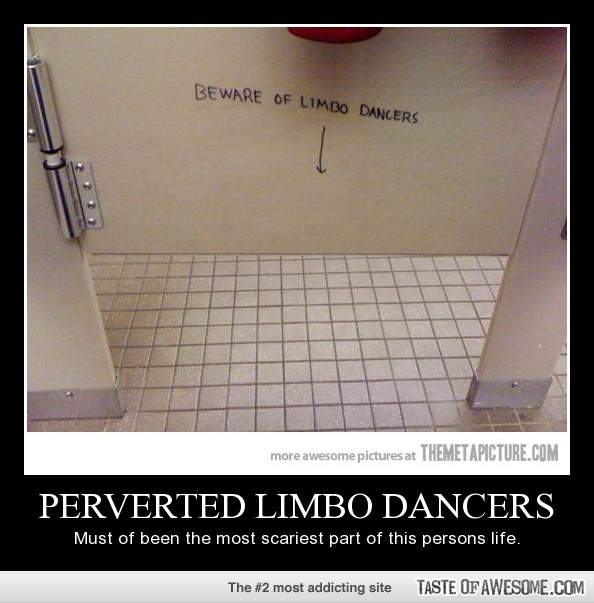
Beware of Limbo Dancers

Limbo was actually popularized outside of the Caribbean by musician Chubby Checkers, thanks to his song, “Limbo Rock”, released in 1962. The track rose to #2 on the Billboard Top 100 chart and popularized the question: “How low can you go!?” Other popular songs made specifically for limbo, include “Limbo” by Lord Tickler and the Calypsonians, “Limbo Break” by Brigo, and “Limbo” by Denzil Laing and the Wrigglers. Even David Hasselhoff entered the fray with his “Do the Limbo Dance”.

The World Record for limbo is an astonishingly short six inches. That’s right, the average penis size can be limbo’d under! The man who achieved the feat was no spring chicken and was, in fact, 55 years old. The women’s record was set by Shemika Charles (aka Limbo Queen), who passed under a bar only 8.5 inches off the ground. There have also been records set for performing the limbo wearing roller skates, including rolling under as many as 39 vehicles.

In the sci-fi cartoon Futurama, in the year 2980, limbo has become an Olympic sport. Jamaican national Hermes Conrad is a limbo enthusiast and competes in the event, which resembles hurdles, but instead of going over the bar, athletes have to go under. Hermes also applies his skills in other areas, such as using the limbo to get under a door and other obstacles that only have clear space at the bottom.

Trinidad & Tobago: The Cephalopuch

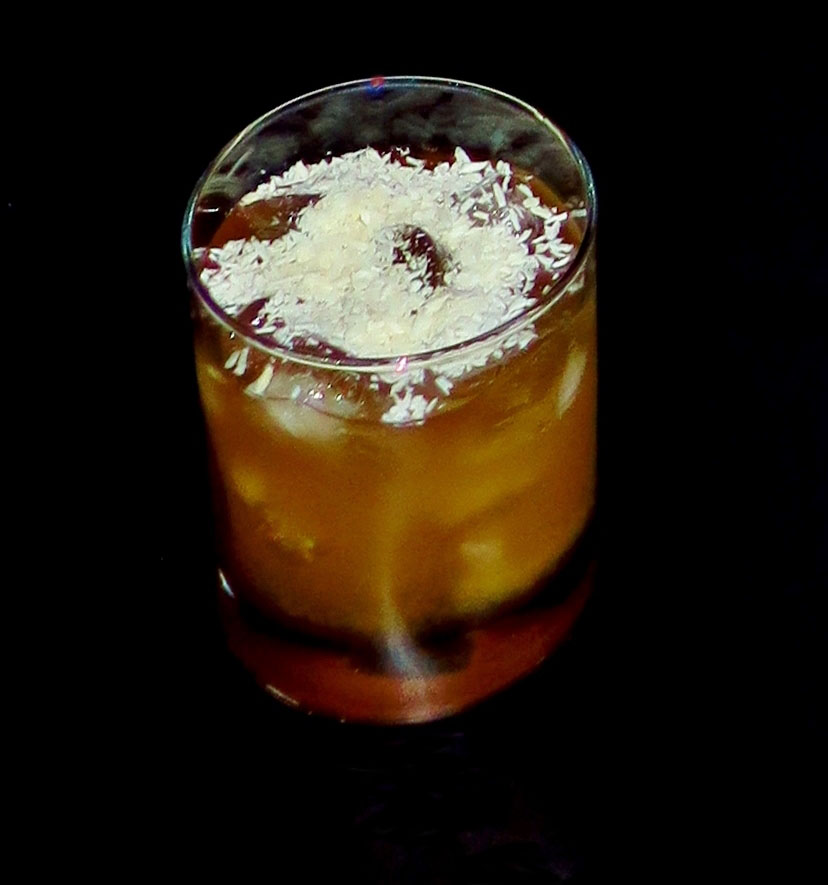
Cephalopuch Cocktail

  • 1 oz Kraken Rum
  • 1 oz Coconut Rum
  • Top with Pineapple Juice
  • Splash of Grenadine
  • Garnish with Coconut Shavings

Some folks may debate which limbo is more painful… the one where you try to squeeze under a bar or the whole stuck between heaven and hell concept. To the Sip Advisor, this is a ‘pick your poison’ scenario and neither one is all that appealing!

Sip Advisor Bar Notes (3 Sips out of 5):
This drink wasn’t so bad. The flavours are all right, with Rum, Coconut, and Pineapple coming together. I still love garnishing a drink with Coconut Shavings because they look neat and are so fun to chew during the cocktail consumption.

Trinidad & Tobago – What’s Kraken?

Feel the Rhythm

Originating from the islands of Trinidad and Tobago, Calypso music enjoyed the height of its popularity in 1956, when Harry Belafonte released the “Banana Boat Song”, otherwise known as “Day-O”. The music style also produced other popular spinoffs, such as Soca, Reggae, Chutney, Rapso, and Ringbang. Let’s take a look at the history of this cultural music and get our groove on!

Calypso music, like many other genres, started with humble beginnings. During colonial slavery in the 17th century, slaves were not allowed to speak to each other while working long, exhausting days at sugar plantations, but were able to come together at night and play music. These songs helped form a bond among the slaves, as they mocked their masters and sung about the hardships of their existence in a French Creole language.

Day-O Spider

The music is based off of a call and response style, where the singer (dubbed the Calypsonian) engages his audience and involves them in the song. Instruments often associated with Calypso music include, steel drums, banjo, guitar, and other percussion devices. Calypso was played in tents made of palm trees and poles, which were constructed to keep rain away from performers and dance-goers alike.

Calypso music eventually became used to spread news around the islands and became a reliable source for current events. Songs battled political corruption, which sparked the British rulers to censor the songs and for officials to decide what could and couldn’t be heard by the public. This just pushed Calypsonians to use other tools to get their message across in song, such as double-entendres, satire, irony, and other elements of humour.

Long before rappers were taking aim at one another with thinly veiled criticisms and threats, Calypso musicians were insulting each other, while also making music based around sex, gossip, scandal, and innuendo. Like much of the music industry, there are some great artist names in the Calypso world, such as Lord Invader, Growling Tiger, Mighty Sparrow, King Fighter, Macbeth the Great, Sir Lancelot, and Duke of Iron.

Rapper Rapping

The first Calypso recording was made in New York City in 1912, by the visiting Lovey String Band. It’s thought that this was the first recording to ever take place of a musical style not to have originated in either North America or Europe. Not many other Calypso recordings were made until the late 1920’s and early 1930’s (given the title: the golden era of Calypso), perhaps due to the wartime economy and depression.

Attila the Hun (not the barbarian, but the musician) and Roaring Lion brought the music back to the United States in 1934, where they became regular recording artists and were later joined by other Calypsonians from Trinidad and Tobago. A tradition that ran up to the late 1970’s, with Mighty Sparrow being the last great Calypsonian abroad. The musical style then branched off into other genres.

prelude music

One of the first big Calypso hits, “Rum and Coca Cola”, by Lord Invader, was not about the fizzy beverage being mixed with alcohol, but the prostitution industry that popped up when American military bases began appearing in Trinidad during the 1940’s. Regardless, the Andrews Sisters turned this into a U.S. chart topper and were later sued by Lord Invader for copyright infringement, being awarded $150,000 in royalties after years of court battles.

Calypso music can be seen in popular works like the movie Beetlejuice, where Harry Belafonte’s “Day-O” plays during a very memorable scene. You can also hear “Day-O” at sporting events, often used to get fans pumped up as they echo the song’s title back to the singer. Interestingly, Eleanor Roosevelt dubbed Belafonte “The King of Calypso” after seeing him perform in 1958. Daylight come and me wan’ go home!

Trinidad & Tobago: What’s Kraken?

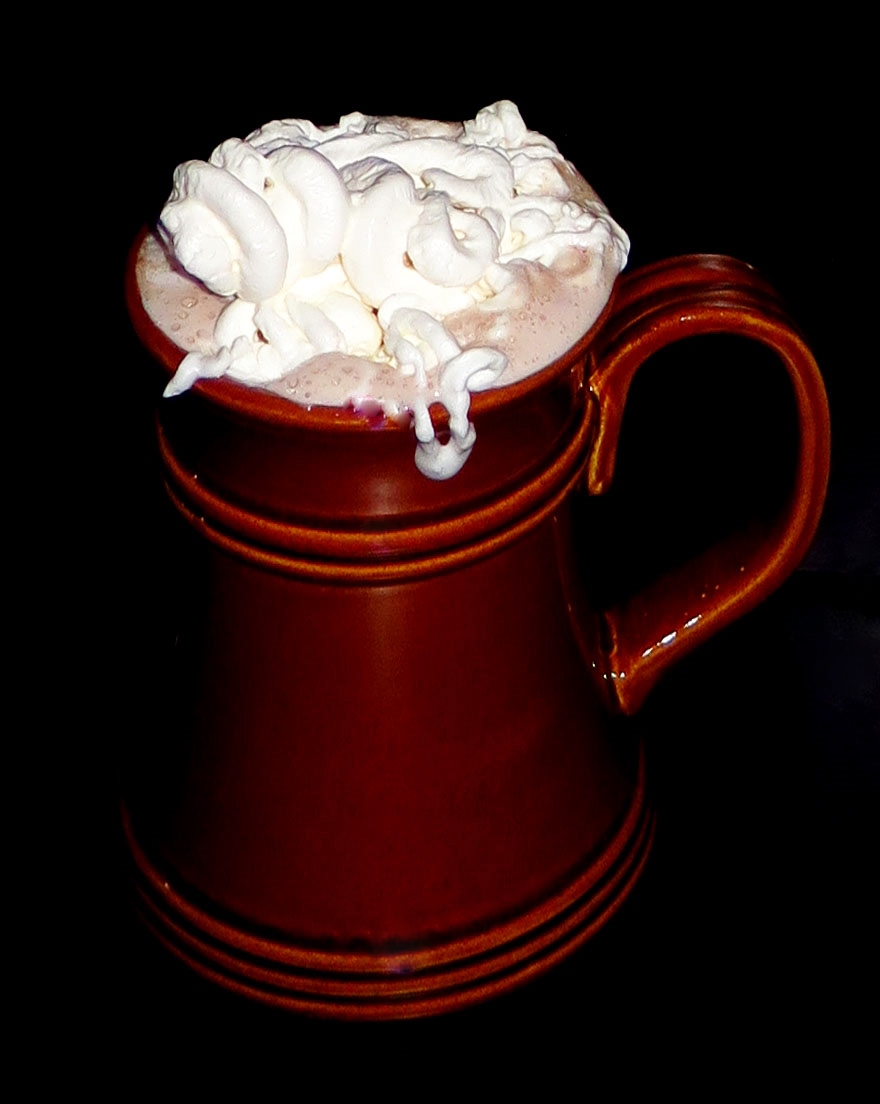
What's Kraken Cocktail

  • 1 oz Kraken Rum
  • 1 oz Butterscotch Schnapps
  • Top with Hot Chocolate
  • Garnish with Whipped Cream

That “Day-O” song sure can get stuck in your head easy. Belafonte even performed the hit on an episode of The Muppet Show, with Fozzie Bear interrupting the singer… and for that, we thank him!

Sip Advisor Bar Notes (4 Sips out of 5):
I really enjoy Kraken Black Spice Rum, which gets its rum content (molasses) from Trinidad and Tobago. I made this cocktail for Pa Sip, also a fan of Rum, as well as Butterscotch Schnapps. It was a pretty good drink and perfect for this time of the year!

November 11 – Burnt Martini

Hall of Fame 2014

Last year, we opened the doors to the Sip Advisor Hall of Fame, inducting five spirits, one entry into the beer and wine wing, and one mixer, as well. It was a festive evening, although nobody really remembers much about it! Without further ado, here is the class of 2014!

Jack Daniel’s Honey Whiskey

Honey Whiskey was the final cut from last year’s Hall of Fame class (with two other whiskeys going in), making it a surefire entry this year. I love this stuff, going so far as to chip one of my teeth when I couldn’t get my flask open and the container was carrying this elixir… not one of my finer moments, but it did occur. Even Mrs. Sip, who has a love-hate relationship with whiskey, is a fan of cocktails made with JD Honey (which would be my porn name if the industry was lucky enough to have me!).

JD Bees

Tanqueray Gin

Although I’m a big fan of gin, this is the first alcohol of that genre to enter the hallowed halls of the Sip Advisor Hall of Fame and it was a tough choice. After a close race between Tanqueray and a competitor brand, the nod went to Tanqueray thanks in large part to the Rangpur variety that I have enjoyed so much, since picking up earlier this year. It has leap-frogged all other options in the phylum to find its place amongst so many other fine spirits.

Appleton Rum

I’m sad to say that Appleton Rum is currently not part of the Sip Advisor liquor colletion after being a mainstay for years. After using and finishing it for Jamaica week, I have yet to replace it and Appleton has become a casualty of having to pick up other rums for the Around the World project, instead. That doesn’t mean that the fondness has faded, however, and it won’t be long before the shelves are stocked again with this fine rum.

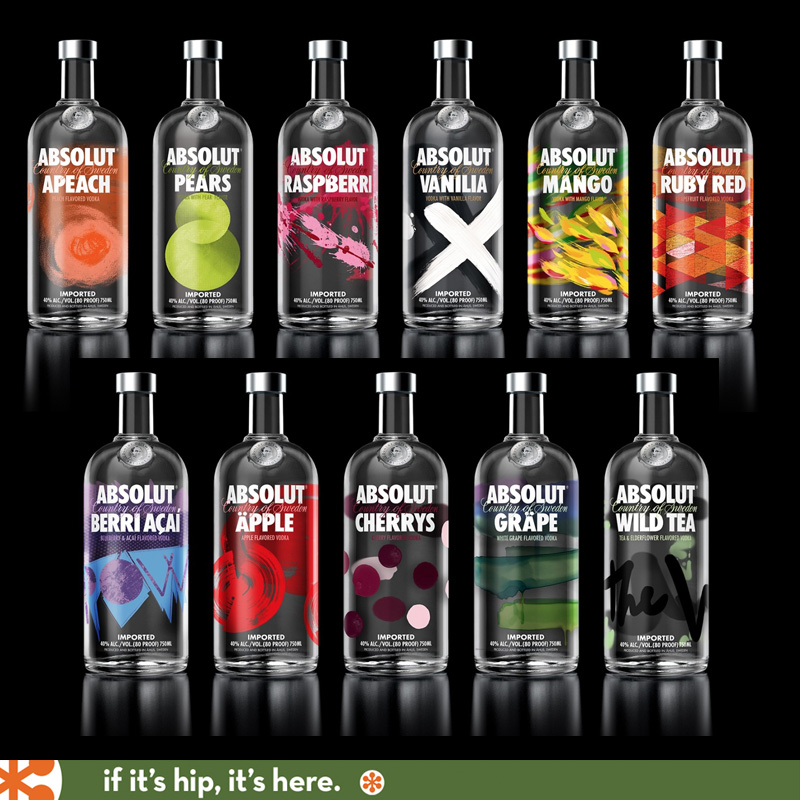
Absolut Vodka

Like gin, vodka was absent from the inaugural Sip Advisor Hall of Fame class, an act that must be remedied. Also like gin, it came down to a very difficult decision between a few companies, but in the end, it was inspirational flavours that won the day. Absolut has all the usual suspects available for consumption, but advancements such as their fine City Series, and mixing of interesting flavours has pushed Absolut ahead of its contemporaries and into the hall.

Absolut Flavors

Hiram Walker Peppermint Schnapps

Rounding out the spirit entrants into the Hall of Fame is Peppermint Schnapps, which is great on its own as a shooter, or combined with hot chocolate and a few other drinks. Around Christmas, there are so many events that are favourable to Peppermint Schnapps-spiked beverages. It’s no wonder that mint is often on the Sip Advisor’s breath and emanating from Sip family mugs and thermoses.

1884 Malbec Wine

Wine gets the nod over beer this year in the category they share. Mrs. Sip and I have enjoyed many lazy Sundays with a bottle of this Argentinian red. I even used it for this year’s Around the World project, when the Sip Advisor visited Argentina. This wine is perfect great evenings with a loved one, relaxing and boozing (the two things the Sip Advisor does better than perhaps anyone else). I like adding a little ice to my wines (even reds), which I hope you little sippers won’t hold against me.

Dr. Pepper

In the mixer wing, Dr. Pepper joins Pepsi, perfectly depicting the evolution of the Sip Advisor’s drinking habits. When I’m looking for an easy-to-make well drink, I’ll often toss in anything from the aforementioned Honey Whiskey to Sailor Jerry’s Spiced Rum (part of last year’s HoF class) and top whatever spirit I’ve chosen with Dr. Pepper. The flavours are more intense with this soda than others available, making for a crisp, tasty, and effervescent experience.

Hall of Fame 2014: Burnt Martini

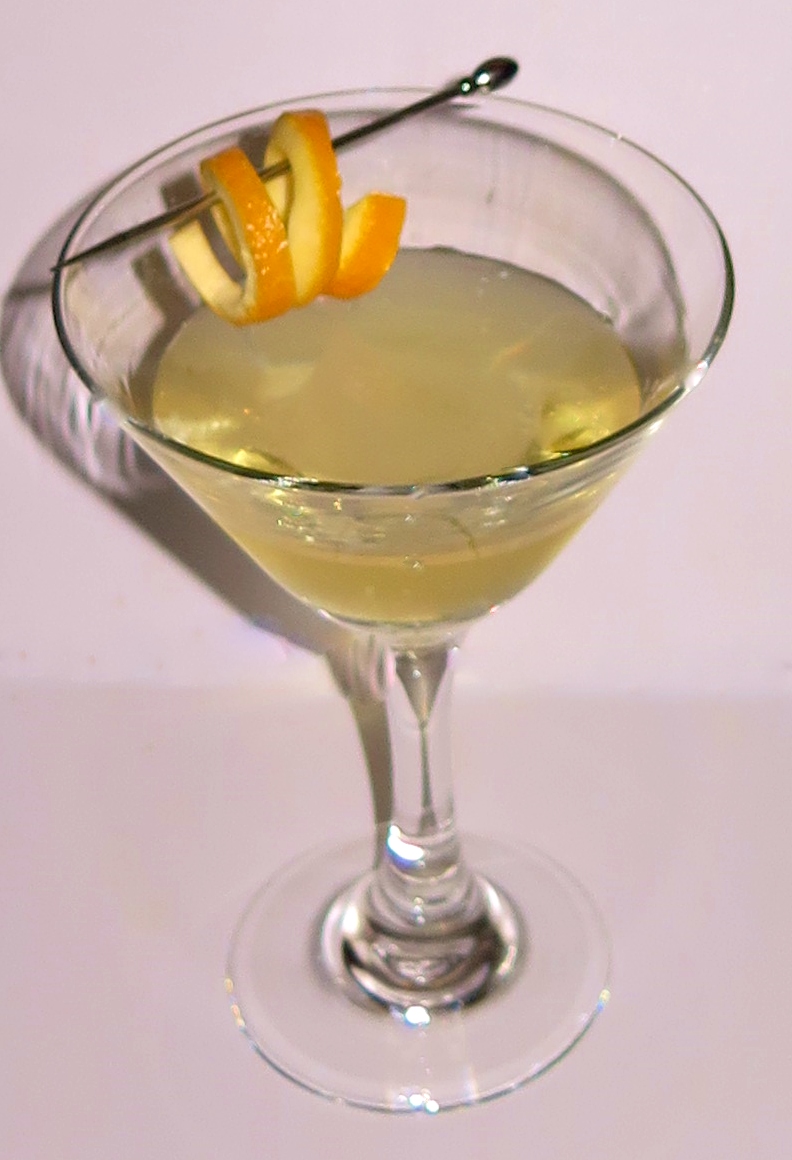
Burnt Martini

It’s so nice to see everyone all decked out in their finest threads. We sure make a great looking group. I wonder which spirits will finally hear their names called next year for enshrinement… only time will tell!

Sip Advisor Bar Notes (3.5 Sips out of 5):
As we did last year, with the Dirty Martini, we’re pulling out a very classic recipe for our annual Hall of Fame article. This edition gets the Burnt Martini, which combines two of my favourite alcohol varieties in Gin and Scotch. It was a nice drink, but certainly strong. The smoky flavour of the Scotch at the end of each sip was quite enjoyable.

Iceland – Katla

Viking Power

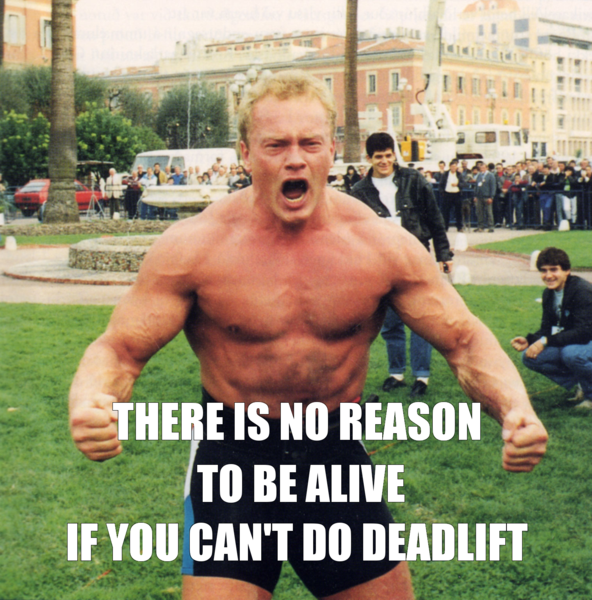
I’ve always been fascinated by the World’s Strongest Man competitions. Iceland, is home to two of the sport’s greatest icons, Jón Páll Sigmarsson and Magnús Ver Magnússon, who combined won the event eight times (four each), ranking Iceland at the top of the powerlifting game. Let’s take a look at these two hulking men and their contributions to strongman lore:

Jón Páll Sigmarsson

Born in Hafnarfjörður (just don’t ask the Sip Advisor to try and pronounce the word), Sigmarsson was the first to win the World’s Strongest Man event four times, doing so in a seven year span. His lowest finish in the tournament was third place in 1989. From humble beginnings, Sigmarsson’s legend grew as he participated in events around the world, including Scotland’s Highland Games.

Sigmarsson was a showman and loved to put on a performance. His charisma came through the TV screen with roars, shouting, and celebrations. During one event of the 1985 World’s Strongest Man, an audience member made the mistake of calling Sigmarrson an Eskimo, to which the powerlifter replied, “I am not an Eskimo, I am a Viking!” before snatching and seemingly with ease, lifting a 495kg cart.

Sigmarsson

Sadly, Sigmarsson passed away at the young age of 32, from a heart attack. He died doing what he loved, lifting, in his own gym, Jakaból (which means Giant’s Nest). While steroid use played a role in his death, there was also a heart defect that others in his family had suffered from. Sigmarsson was survived by a son, Sigmar, and I wonder if he ever followed in the footsteps of his dear ol’ dad?

A fascinating documentary was made on the life of Sigmarsson, titled Larger than Life. The Sip Advisor actually watched it en route to Iceland and it gave me a different perspective going into the country. Sigmarsson was enshrined in the World’s Strongest Man Hall of Fame in 2012, one of only three competitors to be selected thus far into the hallowed halls.

PIPES_grande

Magnús Ver Magnússon

Hailing from Egilsstaðir (again, I don’t even know where to begin with the pronunciation of this place name) and already owning one of the greatest villainous names in entertainment history, Ver Magnússon seemed like the perfect fit to take the torch from Sigmarsson and become the next great Icelandic strongman. Like Sigmarsson, Ver Magnússon travelled the world in his early years of lifting, winning competitions across the globe.

Equaling Sigmarsson’s achievement of four World Strongest Man titles (between 1991 and 1996), it should be noted that Ver Magnússon also ranked as the event’s runner-up in 1992 and 1993. That’s domination if I’ve ever seen it. The two Icelandic warriors are only surpassed by Mariusz Pudzianowski of Poland, who has five wins to his name.

magnusson

Ver Magnússon reached mass American audiences, not only with his World’s Strongest Man accolades, but with an appearance in a Coors Light commercial, as well as an appearance on The Daily Show, in 2008, where he showed off his still formidable strongman skills. There are rumours that Ver Magnússon has been trying to raise funds to film a movie about his life, titled ‘My Way.’

In the meantime, Ver Magnússon has gone on to own the Jakaból gym, replacing Sigmarsson, and training the next generation of Icelandic Vikings. One of his protégés is Hafþór Júlíus Björnsson, nicknamed ‘Thor.’ Bjornsson recently appeared on Game of Thrones as the fearful Gregor Clegane, aka The Mountain. Ver Magnússon also judges strongman and powerlifting competitions internationally and remains a face of the sport.

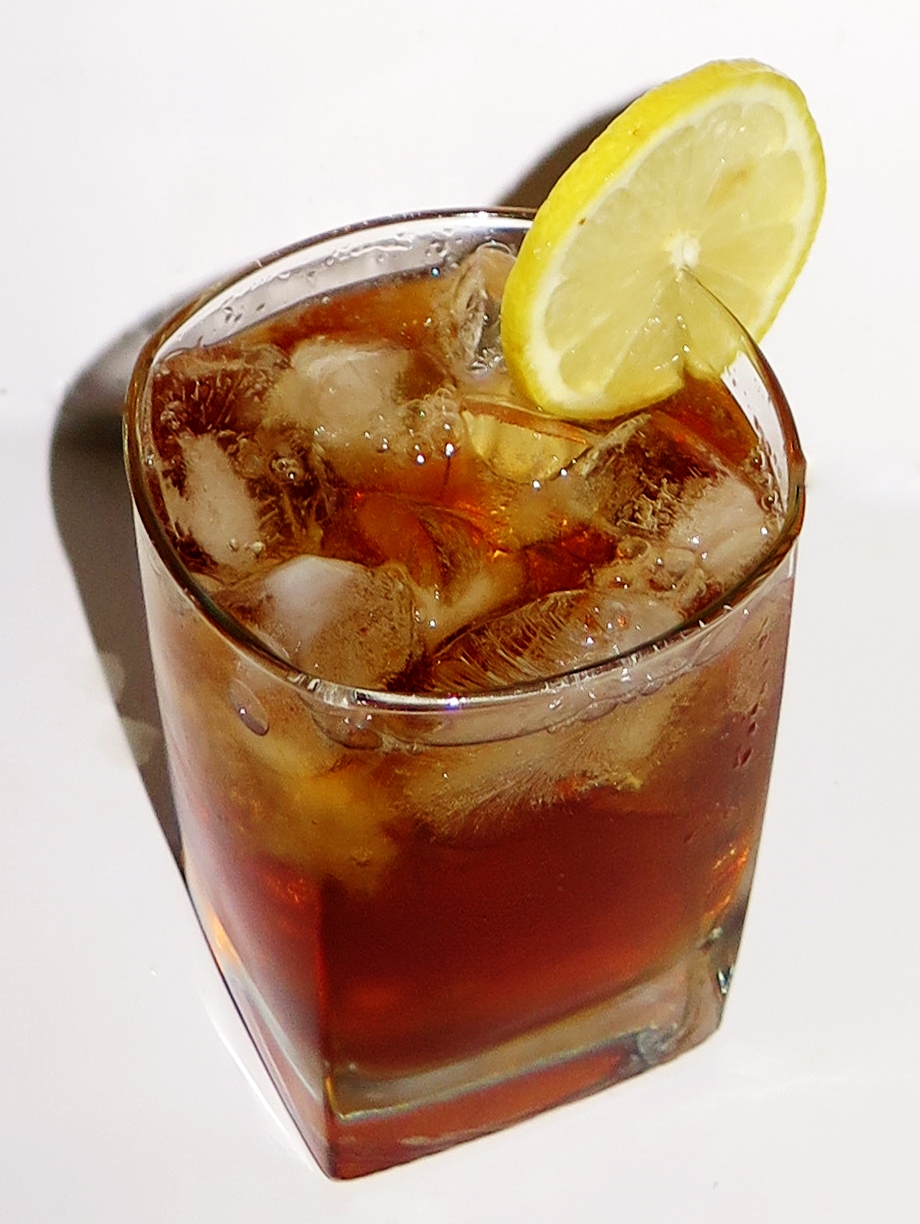
Iceland: Katla

Katla Cocktail

  • 1 oz Brennivin
  • 0.5 oz Kahlua
  • Top with Club Soda
  • Splash of Lemon Juice
  • Garnish with a Lemon Slice

I can’t even imagine lifting some of the items these two behemoths tossed over their shoulder or hurled through the air. Simarsson even set a Guinness World Records by lifting the largest whiskey bottle… that’s a feat the Sip Advisor can truly appreciate!

Sip Advisor Bar Notes (3.5 Sips out of 5):
Brennivin is also known as Black Death, which I don’t fully understand, given the spirit is clear and doesn’t taste bad at all. Icelanders might disagree with me on the taste experience, but I think I know my liquors. This cocktail is named after an active volcano in Iceland, but it will certainly not cause you to erupt and is actually quite nice.

Iceland – Northern Lights

Around the Loop

Iceland is a fascinating place, full of so many interesting facts, sites, and experiences. If you visit the country, the best way to get around may be to travel the famous Ring Road. Here are some items of note about highway and a listing of some of the things you can see and do along the trek to get the full Icelandic experience:

Known as Route 1, this road circles the entire island of Iceland. Stretching 828 miles long, it was only completed in 1974, coincidentally while celebrations for the 1100th anniversary of the country’s settlement were ongoing. Most of the road is paved, but much like other parts of the country, there are stretches that are not. A number of bridges and tunnels link the route and the max speeds are 90 km/h on the paved sections and 80 km/h on the gravel portions.

icelanders_driving

If you’re expecting tons of ice (to live your fantasy of being an Ice Road Trucker), you will likely be disappointed. As the old joke goes, Iceland is green, while Greenland is ice. When Erik the Red set up shop in Greenland and colonized the island, he chose to call it something more appealing, hoping it would cause others to be more likely to settle there, as well.

With a couple drivers, you could take advantage of the near 24-hours a day of sunlight available during the summer months. That said, if travelling during the winter, you might get to enjoy the Northern Lights (not just the name of today’s cocktail and a wrestling suplex), more scientifically known as the Aurora Borealis. In winter, there is only four to five hours of sunlight and one portion of the Ring Road is closed, forcing drivers to take a detour along the coast.

Some parts of the road may wind in odd ways due to construction being done so as to not upset the elves of Icelandic folklore. Huldufólk, as they’re called, have been blamed for bulldozers malfunctioning when working in rock-filled areas, said to be inhabited by elves. The whole concept has created jobs for those claiming to have special powers in negotiating with elves. Sticking with the Huldufólk, you may often see doors painted on rocks or tiny churches, all meant for elves to live comfortably.

Elf in Iceland

Parts of the popular HBO series Game of Thrones have been filmed in Iceland, namely the scenes set at or past the ice wall, guarded by the Night’s Watch, that keeps the wildlings and white walkers from entering the Seven Kingdoms. There is a five day tour that specializes in bringing fans of the show to these areas and allows them to live out their fantasies of snuggling up with Jon Snow.

On your journey, you may not come across many people. Two-thirds of the approximately 320,000 population living in Iceland, call the capital city Reykjavik home. If you travel to Iceland, you will enter in and out of Reykjavik, the world’s northernmost capital. You will more likely see vehicles, as the country has one of the highest per capita rates of car ownership across the globe. There is one car for every 1.5 people, necessary because there are no rail lines for transport.

When in search of eats along the Ring Road, you may not find traditional comforts. There are no, I repeat NO McDonalds in Iceland, with the last of three restaurants getting out of Dodge in 2009. Hopefully you’re not a picky eater, as your options may include whale, puffin, harkarl (fermented shark), and skyr (yogurt-like substance). Also, be reminded that things are incredibly expensive in Iceland: Mrs. Sip and I spent $50 on two beers and a small pizza.

mcdonalds-one job

Iceland is home to the youngest place on earth. Surtsey Island only appeared from the ocean in 1963, following volcanic eruptions. It is now a UNESCO World Heritage Site. Speaking of volcanos, Iceland is one of the most geologically active spots in the world, thanks to 130 volcanoes (although only 40 have erupted in the last 1,000 years), continental plate action, and almost daily mini-earthquakes.

As you travel along, you may want to blast some Björk tunes and if you happen to get pulled over by the fuzz, just remember that they are not allowed to carry guns and will only have a club and pepper spray with them. When stopping for a meal, make sure to enjoy an expensive beer and toast the fact the ban on brews was only lifted in 1989 (March 1 is Beer Day, celebrated across Iceland). You should note that strip clubs have been banned since 2010, so don’t expect to see any Icelandic skin!

Other attractions you may come across in your travels: glaciers, three of Iceland’s five are the largest in Europe; Icelandic horses, 80,000 of which roam the land and are so unique that other horses are banned from Iceland and once a horse leaves, it is not allowed to return; and geysers; Iceland invented the word when their Great Geysir was discovered in 1294.

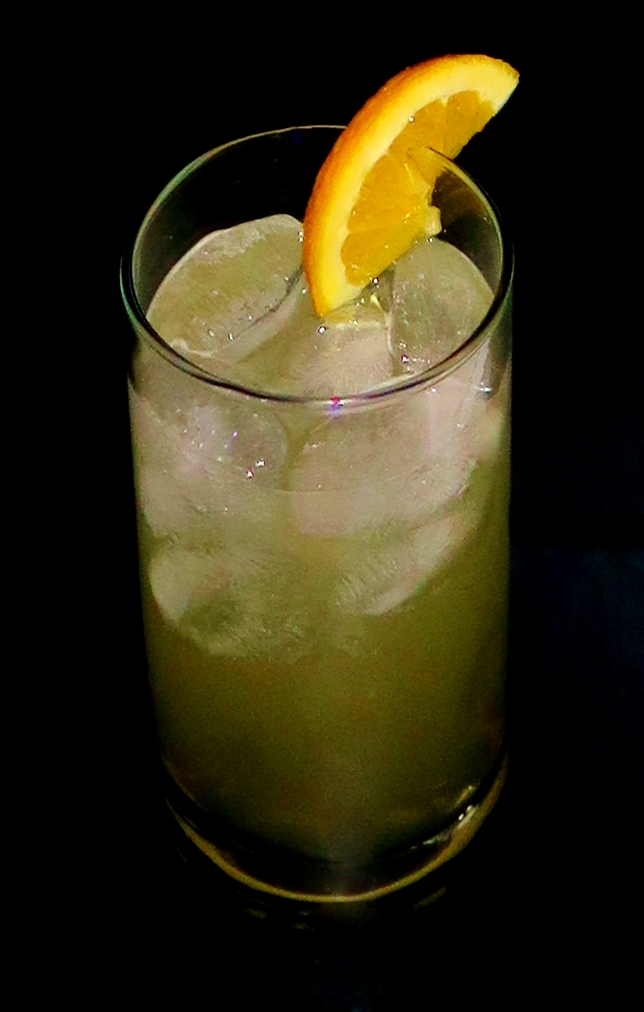
Iceland: Northern Lights

Northern Lights Cocktail

  • 1 oz Brennivin
  • 0.5 oz Amaretto
  • Top with Grapefruit Soda
  • Garnish with an Orange Slice

In closing, I must point out that D2: The Mighty Ducks featured everyone’s favourite hockey squad, as Team USA, battling an evil and favoured Iceland unit. All this, despite not one single hockey star having ever come from the nation and the country playing their first international game ever five years after the movie’s release. What do you expect from a film that also included Trinidad and Tobago as a top hockey power!

Sip Advisor Bar Notes (3.5 Sips out of 5):
Brennivin is described as an unsweetened schnapps and is quite similar to Akvavit. This drink was pretty good, with the strong tastes of the Brennivin and Grapefruit Soda subdued by the always pleasant Amaretto.

Bolivia – Manzana Smash

Drive with Destiny

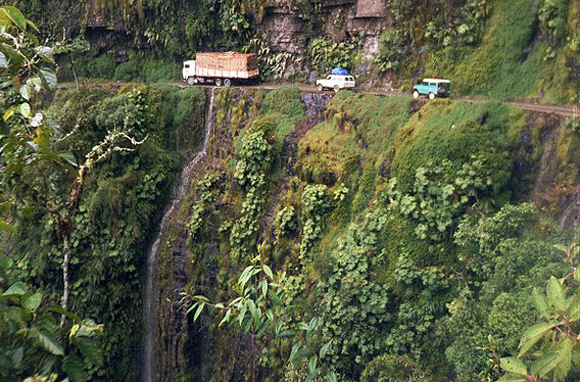
North Yungas Road in Bolivia has been given the menacing title of ‘World’s Most Dangerous Road.’ The stretch of 60-plus kilometer highway, connecting the capital city of La Paz to Bolivia’s Amazon Rainforest, is estimated to kill between 200-300 travelers each year. Now, the Sip Advisor likes his occasional doses of danger, but this seems a little too treacherous. Buckle up tightly, cause here we go!

Bolivians refer to the road as El Camino de la Muerte, which translated means ‘Road of Death’. It has also acquired monikers like Grove’s Road, Coroico Road, Camino de las Yungas, Death Road, or Road of Fate (the name which I prefer the most). While a couple of those don’t sound so bad, the last two are particularly worrisome. Interestingly, the road was built in the 1930’s by Paraguayan prisoners, during the Chaco War. I wonder how many died during construction of the hazardous route.

Old-Yungas-Road-Bolivia

I know what you’re thinking: if the road is so dangerous, why would anyone in their right mind ever take it. Well, it is one of the only routes that will get you into the Amazon Rainforest. Personally, I think I’ll take my rainforest in the Rainforest Café style, where I can have a nice wrap, fries, and beverage in a collectible cup instead! There is also a South Yungas Road, connecting La Paz to the town of Chulumani, that is said to be just as dangerous and the northern route.

After leaving La Paz, drivers will ascend 15,000-feet, followed by a 4,000-feet descent into the town of Coroico. The road is often only one lane wide and if you expect to see many guardrails, best of luck to you. That’s one “I spy with my little eye” game that will not yield results. The road is marked with crosses in many spots where vehicles have gone off the pavement and fallen off the cliffs, so that might be a better “I spy” item. If you do go off the road, you’re looking at a potential 600-meter fall.

As if things weren’t challenging enough already, during Bolivia’s rainy season, from November to March, rain and fog can severely obstruct visibility, as well as affect the road, turning it into a muddy mess and causing loss of traction. Falling rocks and dust from other vehicles can also be issues drivers have to deal with. Lastly (perhaps literally), if you get too close to the edge, the roadway may slip out from under you.

Yungas Road Traffic

Rules of the road include the downhill driver giving the right of way to the uphill drive, to ensure the faster moving downhill vehicles slow down when coming upon a car going in the other direction and driver’s having to be on the left side of the road (a contrast to the rest of the country), so they can view their outside wheels and position against the cliff when making passes.

In 2006, a project to update the highway was completed. Added features included widening sections of the road to accommodate two lanes, updated paving, new bridges, drainage, and even an entirely original section between the towns of Chusquipata and Yolosa, bypassing one of the worst portions of the old road. The work took 20 years to complete and yes, they finally added some damn guardrails!

Yungas Road Crosses

While North Yungas Road has become a death trap to many motorists, thrill-seeking mountain bikers have come to love the route, which includes a massive downhill portion of about 64 kilometers. There’s even tour groups operating to suit the needs of daredevil cyclists. Since 1998, 18 cyclists (and perhaps more) have not survived the Road of Death. It has also become a popular destination for those who want to try their hand (ahem, luck) at the treacherous route.

North Yungas Road has been featured in TV shows such as Top Gear, Ice Road Truckers: Deadliest Roads, and World’s Most Dangerous Roads, as well as a Mitsubishi Outlander commercial – the first to ever be filmed on the death trap. We’ll depart (bad choice of word) with this chilling fact: the single worst accident to occur happened in 1983 when a bus left the road, rolling down into a canyon below and killing over 100 passengers.

Bolivia: Manzana Smash

Manzana Smash Cocktail

  • Muddle Lime and Apple Wedges
  • 1.5 oz Agwa
  • Splash of Apple Juice
  • Dash of Simple Syrup
  • Garnish with an Apple Wedge

While they weren’t killed by El Camino de la Muerte, this seems like as perfect a time as any to reveal that legendary outlaw duo of Butch Cassidy and the Sundance Kid died in Bolivia, following a long shootout with Bolivian soldiers. It’s believed one of the bandits shot the other to put him out of his misery after a fatal wound and then turned the gun on himself.

Sip Advisor Bar Notes (4 Sips out of 5):
There’s a bunch of really good recipes (particularly shots) at the Agwa site and I only wish I had more than two mini bottles of the liquor to try them all. The best part about this cocktail is how nice the Apple and Lime mixes. No wonder there’s an Apple-Lime Juice, which has become one of my favourite non-soda mixers!

Bolivia – Agwacadabra

Leafy Greens

In Bolivia, it’s common to see working-class folks drinking an illegal cocktail called Casquito (a mix of pure alcohol used for medical purposes and soft drinks or juices). The name translates to Little Helmet, describing the blue cap that the alcohol comes with, but I think it better describes the casket you may end up in after consuming the potent cocktail. And while that all sounds like an awesome experiment to undertake, that’s not the purpose of our stop in the country. So, let’s spin the wheel and learn about… the coca leaf!

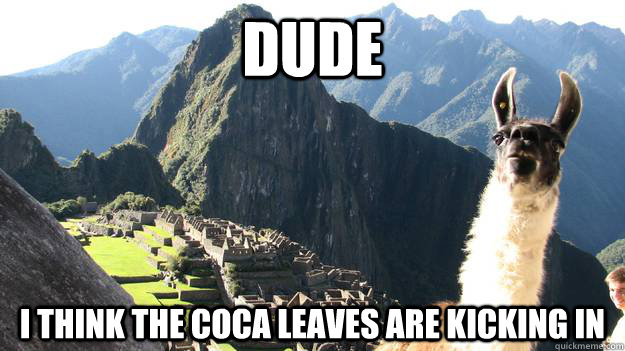
Coca leaves are a cash crop for a number of South American countries, but are perhaps most notable in Bolivia, where they have played a role in the nation’s democracy, including the rise of the Cocalero Movement and that group’s leader, Evo Morales, becoming president of Bolivia in 2005. The movement was established in 1987 as the United States worked to crack down on drugs coming into the country.

coca leaves llama

As a result of the United States’ war on drugs, attempts to eliminate the coca leaf from existence have occurred with varying results. The Cocaleros have set-up blockades, attempted to write their own law proposals, and protest marches against the eradication of the plant. This has caused deaths, arrests, fights between growers and opposing forces, and even the Villa Tunari Massacre, which saw 16 Cocaleros murdered.

With Morales in power, new laws are being created and considered, with the elimination of the plant being scaled back. While other crops (coffee and citrus fruits) were offered in exchange for getting rid of coca operations, the profit return was dramatically less than farmers could get from their coca production and I’d be pissed too, if someone all of a sudden came in and told me I couldn’t make something that my family had been creating for years and surviving from.

Coca is also commonly used in medicines, usually in anesthetics and analgesics, providing relief from headaches, altitude sickness, and arthritis. In Bolivia, it is also used by locals to treat ulcers, asthma, digestion, and even malaria. Chewing on the leaves, or using them in teas will not provide similar results to using the drug cocaine. Although the same leaves do provide the psychoactive alkaloid for cocaine, it can only be removed through a chemical process known as acid/base extraction.

Drugs Draw the Line

Throughout Bolivia and other coca manufacturing countries, teas, granola bars, cookies, hard candies, and other items are sold in grocery markets. It is an ingredient in Agwa, the herbal spirit that we will be using during our pit stop in Bolivia. Most infamously, the coca leaf was used in the production of Coca-Cola from 1885 to 1929 and a similar product is used to this day, with the cocaine element removed from the plant.

The coca leaf is illegal in Brazil and Paraguay. In the United States, only one company brings the plant into the country (although others are registered to do so). The Stepan Company receives hundreds of tons of coca leaf each year, turning some of it into pure cocaine for medical use and the rest as a cocaine-free flavouring agent for Coca-Cola.

Bolivia: Agwacadabra

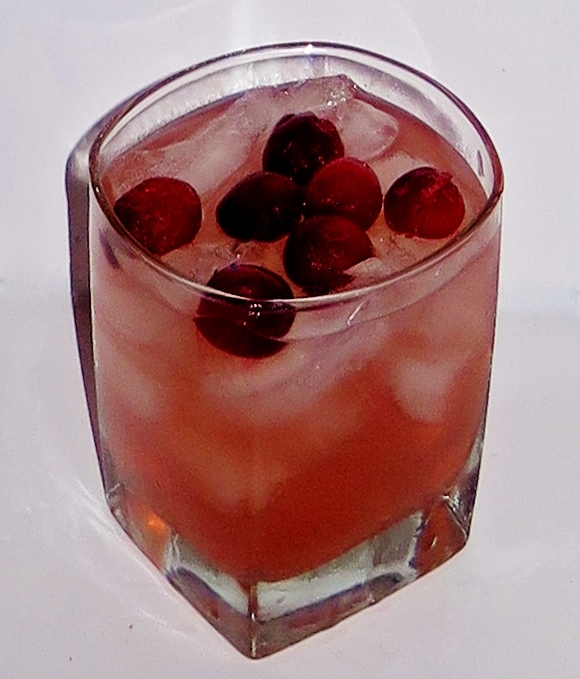
Agwacadabra Cocktail

  • 1 oz Agwa
  • 1 oz Gin
  • 0.25 oz Cointreau
  • Top with Cranberry Juice
  • Splash of Sour Mix
  • Garnish with Cranberries

I’ve never been a big Coca-Cola fan, preferring my mixers to come in the form of Pepsi or Dr. Pepper, but it would be interesting to take a trip (perhaps literally) in the ‘way back machine’ to a time when the soda contained drugs. I’m sure you’d have to down copious amounts of the pop to get any effect, but it might be an experiment worth undertaking!

Sip Advisor Bar Notes (4 Sips out of 5):
Mrs. Sip and I were lucky to stumble upon some mini bottles of Agwa in the Iceland Airport Duty Free, of all places. The Coca Leaf Liqueur is light and has a nice smell and taste to it. I absolutely love the name of this cocktail and it was very tasty with the Gin kicking in at the end of each sip. I had hoped to garnish the drink with a coca leaf, but no such luck.

October 22 – Angry Dan

Festival Phooey

My little sippers, my thesis is simple: the price of some liquor events is insane!

Case in point, Mrs. Sip and I were looking forward to attending our first Vancouver Hopscotch event this November, even making peace with the $50 (plus tax and service charge) cost that came along with the whiskey and scotch lover’s dream experience. That is, until we began looking into just what exactly our near $60 entrance fee entailed.

All you get for your little nest egg of an investment is a souvenir glass and five drink tokens. FIVE tokens! That works out to more than $10 a pop for a little tiny sample. Sure, they bring in stuff from around the world (around 300 products), including some libations you may never have the chance to taste otherwise, but that’s ridiculous value for your hard-earned cash. It also sounded like some booths could charge you more than one token per sample. That could translate to paying $20 or more for a little sip of liquor that you might not even enjoy.

Similarly, I turned down invites this summer to go to the Vancouver Craft Beer Week Beer Festival, not because I had other plans, but because I didn’t agree with the perks of the event. For $35 (plus taxes and fees, of course), attendees received a miniscule three tokens and the typical commemorative taster glass. Why in the world would I pay $10-plus per beer sample, when I could go to many local bars and get the same brews in pint-size servings for the same price? Hell, why wouldn’t I invest that $10 towards an entire pack or case of beers, at any nearby liquor store?

expensive-taste-low-budget

Sure, it only cost $1.10 (they couldn’t just round it off at a buck!?) at Hopscotch and $1.25 at the VCBW Beer Festival, for additional tokens, but that’s just added charges on top of your already high dowry. And guess what, if you happen to get a little hungry, you still have to pay extra for any food that may or may not be available.

For events like these, I’d rather they nix the bands or other entertainment and souvenir glass (how many of these do I really need cluttering up my cupboards?) and give everyone 10 tokens… even then, you’re not getting good bang for your buck. I know many vendors don’t even ask for your ticket or token, but some people (ie. your faithful Sip Advisor) usually gives it up willingly, in order to avoid that awkward moment between server and drinker.

Liquor events aren’t all bad, though. Mrs. Sip and I, along with Ma and Pa Sip, attended the Portland Beer and Wine festival last Easter and what an amazing event that was. For only $20, we received a souvenir glass and a whopping 10 tokens that could be spent on beer, wine, spirits, food items, a used vehicle (okay, not that one), etc. And additional tokens were only $1! Not to mention the live entertainment and info sessions that were all part of the spectacle. We will be back, as info for the 2015 event is already online with deals such as $22 for entry, a glass (wine or beer), and 10 tokens. That’s on top of free entry to the first 500 visitors on the Friday.

bender beer festival

Even in Canada, you can come across great events. In August, to celebrate our 2nd wedding anniversary, Mrs. Sip and I attended the Made with Love cocktail competition. We paid only $55 (the early bird price, but even full fare was only $65) and were treated to unlimited cocktail samples from 13 of the city’s top bartenders. On top of that, food was included and damnit, it was good. It still has me craving fried plantains!

Earlier the same summer, the Sip Alliance went to the annual Tip N’ Taste event in Langley, B.C. We had been a couple times many years before, but had lost interest when event organizers lost their way and dramatically raised prices to the event. This year, the price was back down to what it should be, $25. With that, attendees received five drink tokens and five food tokens with a great variety of vendors on both sides of the equation.

Well, now that I’ve cleared my conscious and had my little rant, let’s have a little drink together!

Sip Commentary #1: Angry Dan

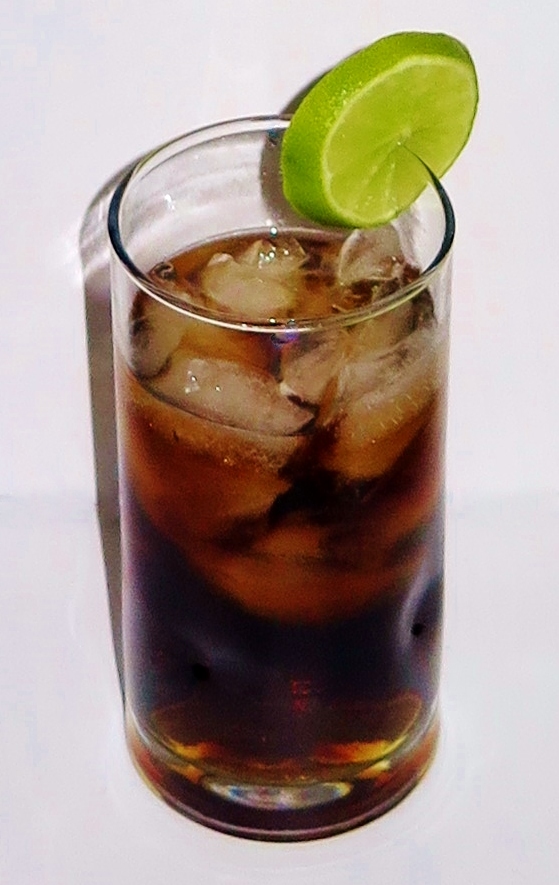
Angry Dan Cocktail

  • 2 oz Southern Comfort
  • 2 oz Fireball Whiskey
  • Top with Cola
  • Garnish with a Lime Wheel

Want to get your own displeasure with liquor event pricing off your chest? Feel free to vent with a profanity-laced comment below!

Sip Advisor Bar Notes (4 Sips out of 5):
For this inaugural commentary (aka rant) post – more to come in the future – I wanted a drink that had the word “Angry” in it and coincidentally, this cocktail actually includes the Sip Advisor’s first name! The drink was quite nice with a soft burn at the end of each sip. The only downside is that it’s a typical liquor and mixer cocktail, lacking any real complexity.

Ukraine – Black Sea Blackout

Hearty Homage

While I’m not of Ukrainian descent in any way, Ma Sip always made a point of celebrating Ukrainian Christmas in late January. With that, came a healthy dose of perogies and cabbage rolls. Borsht is also an originally Ukrainian dish, which has been adapted around the world. You might not want to read this article on an empty stomach, because we’re delving into the best of Ukrainian cuisine!

Borscht

This soup, made from beets, cabbage, potatoes, tomatoes, carrots, onions, and spices is a Ukraine original. There is said to be about 30 different varieties of borscht, depending on ingredients used. Borscht can be served either hot or cold, just like pizza, although I don’t think the Teenage Mutant Ninja Turtles will be going out of their way for soup. The country is also known for a number of other brothy offerings, none of which seem overly appetizing, in the Sip Advisor’s opinion.

Borscht Dog

Similar to the fabled Bible Belt in the United States, there is a Borscht Belt, referring to parts of Upstate New York, where many Jewish immigrants vacationed between the 1920s and 1970s, bringing the Ukrainian dish with them over to America. Also dubbed the Jewish Alps, the area consists of many out of business summer resorts, although many stars got their start performing there, including comedians, singers, dancers, musicians, and variety acts. The area even inspired Fozzie Bear!

Pierogies

Although the pierogy was invented in Poland, it is a staple of Ukrainian meals. The people of Ukraine call these dumplings varenyky and they can be found stuffed with potato and cheese, meat, cabbage, mushrooms, or anything else that meets your fancy. Pierogies can be either savory or sweet and while some choose to boil their dumplings, the Sip Advisor is an advocate for the fried variety, especially if topped with crisp bacon, sautéed onions, and drizzled with ketchup and ranch dressing (freaky deaky!).

Pierogi Eater

The dessert pierogy options are typically stuffed with various berries or even cheese. They are topped with anything from butter to jam to honey. There is even a type of pierogy called Lazy Varenyky and we all know how fond of laziness the Sip Advisor can be. Varenyky monuments can be found in a couple Ukrainian towns and have even popped in in Glendon, Alberta, Canada, and Minneapolis, Minnesota, United States.

Cabbage Rolls

While never likely to make the Sip Advisor’s list of favourite foods, cabbage rolls have a devoted following around the world. In the Ukraine, cabbage leaves are either pickled or parboiled and then usually stuffed with only rice. This was because cabbage rolls were a meal of the peasants and meat was too expensive. Of course, the recipe has evolved in recent times to include meats, vegetables, and even tofu.

Cabbage Rolls Food

Cabbage rolls are typically cooked in or topped with sauces such as tomato juice, beef or vegetable stock, or different soup broths. Variations of this Eastern European classic have travelled the globe, to places including China (bai cai juan); Japan (rōru kyabetsu); Brazil (charuto de repolho); Iran (dolmeye kalam); Quebec, Canada (cigares au chou); and numerous other locales.

Babka

Famously known for its inclusion in an episode of Seinfeld, where Jerry and the gang are picking up a cake for a party they’ve all been invited to and in typical fashion, things go quite differently than intended. The Babka is a sweet bread, often baked with raisins and other dried fruit. It is mostly only produced at Easter to celebrate the resurrection of Jesus Christ – as the dough rises, so shall the lord… or something to that effect!

Babka Barker

Unlike most cakes, which are long/round, the Babka is tall and cylindrical. The Babka dates back thousands of years, with evidence that ancient Greeks and Romans dined of the delicacy. Some versions of the dessert, typically from Sardinia, Italy, are decorated intricately with flowers and become more of an art form than a holiday food item. You’d feel horrible scarfing down something that looked so festive. Now that we have an appetizer, main, side, and dessert, I think it’s time for a drink!

Ukraine: Black Sea Blackout

Black Sea Blackout Cocktail

As I mentioned in one of my 25 Days of Christmas articles, Ukrainians (as well as other Eastern Europeans) also have a 12-course Christmas Eve feast, consisting of 12 meatless dishes, meant to symbolize the 12 Apostles. This year, I will do my own 12-course meal consisting of 12 different flavours of potato chips!

Sip Advisor Bar Notes (4 Sips out of 5):
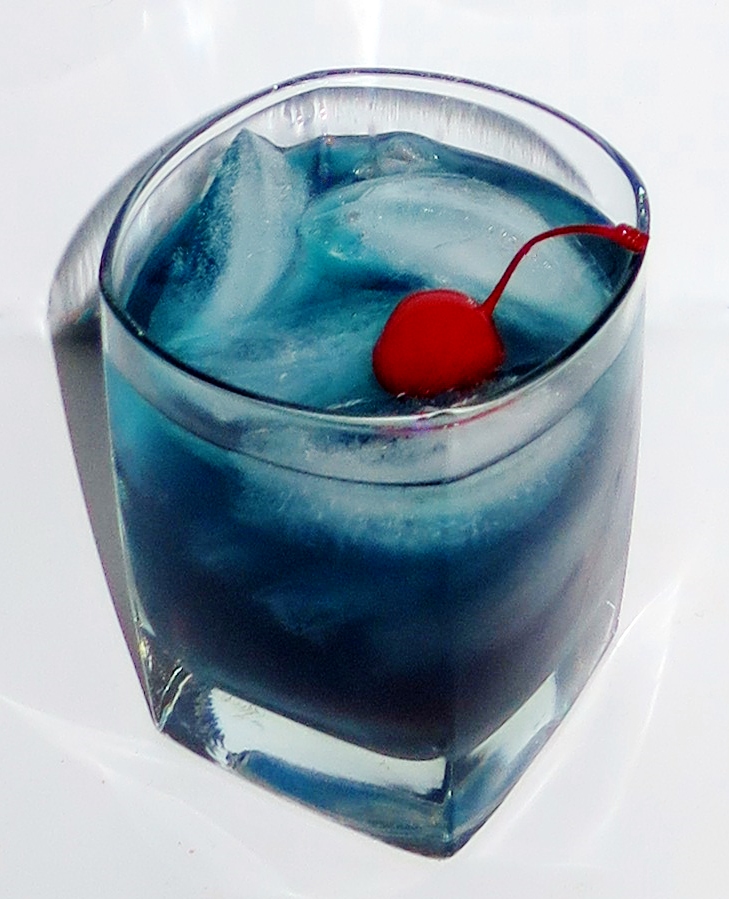
This cocktail is supposed to use the regular Khortytsa Vodka and more Blue Curacao than I was willing to let into a drink, so I adapted the recipe a smidge. The results were quite nice, especially when paired with my Cran-Lemonade mixer, which is a wonderful addition to any bar. The Honey Hot Pepper Vodka also lends a nice little burn at the end of each sip.