Trinidad & Tobago – What’s Kraken?

Feel the Rhythm

Originating from the islands of Trinidad and Tobago, Calypso music enjoyed the height of its popularity in 1956, when Harry Belafonte released the “Banana Boat Song”, otherwise known as “Day-O”. The music style also produced other popular spinoffs, such as Soca, Reggae, Chutney, Rapso, and Ringbang. Let’s take a look at the history of this cultural music and get our groove on!

Calypso music, like many other genres, started with humble beginnings. During colonial slavery in the 17th century, slaves were not allowed to speak to each other while working long, exhausting days at sugar plantations, but were able to come together at night and play music. These songs helped form a bond among the slaves, as they mocked their masters and sung about the hardships of their existence in a French Creole language.
Day-O Spider

The music is based off of a call and response style, where the singer (dubbed the Calypsonian) engages his audience and involves them in the song. Instruments often associated with Calypso music include, steel drums, banjo, guitar, and other percussion devices. Calypso was played in tents made of palm trees and poles, which were constructed to keep rain away from performers and dance-goers alike.

Calypso music eventually became used to spread news around the islands and became a reliable source for current events. Songs battled political corruption, which sparked the British rulers to censor the songs and for officials to decide what could and couldn’t be heard by the public. This just pushed Calypsonians to use other tools to get their message across in song, such as double-entendres, satire, irony, and other elements of humour.

Long before rappers were taking aim at one another with thinly veiled criticisms and threats, Calypso musicians were insulting each other, while also making music based around sex, gossip, scandal, and innuendo. Like much of the music industry, there are some great artist names in the Calypso world, such as Lord Invader, Growling Tiger, Mighty Sparrow, King Fighter, Macbeth the Great, Sir Lancelot, and Duke of Iron.
Rapper Rapping

The first Calypso recording was made in New York City in 1912, by the visiting Lovey String Band. It’s thought that this was the first recording to ever take place of a musical style not to have originated in either North America or Europe. Not many other Calypso recordings were made until the late 1920’s and early 1930’s (given the title: the golden era of Calypso), perhaps due to the wartime economy and depression.

Attila the Hun (not the barbarian, but the musician) and Roaring Lion brought the music back to the United States in 1934, where they became regular recording artists and were later joined by other Calypsonians from Trinidad and Tobago. A tradition that ran up to the late 1970’s, with Mighty Sparrow being the last great Calypsonian abroad. The musical style then branched off into other genres.
prelude music

One of the first big Calypso hits, “Rum and Coca Cola”, by Lord Invader, was not about the fizzy beverage being mixed with alcohol, but the prostitution industry that popped up when American military bases began appearing in Trinidad during the 1940’s. Regardless, the Andrews Sisters turned this into a U.S. chart topper and were later sued by Lord Invader for copyright infringement, being awarded $150,000 in royalties after years of court battles.

Calypso music can be seen in popular works like the movie Beetlejuice, where Harry Belafonte’s “Day-O” plays during a very memorable scene. You can also hear “Day-O” at sporting events, often used to get fans pumped up as they echo the song’s title back to the singer. Interestingly, Eleanor Roosevelt dubbed Belafonte “The King of Calypso” after seeing him perform in 1958. Daylight come and me wan’ go home!

Trinidad & Tobago: What’s Kraken?
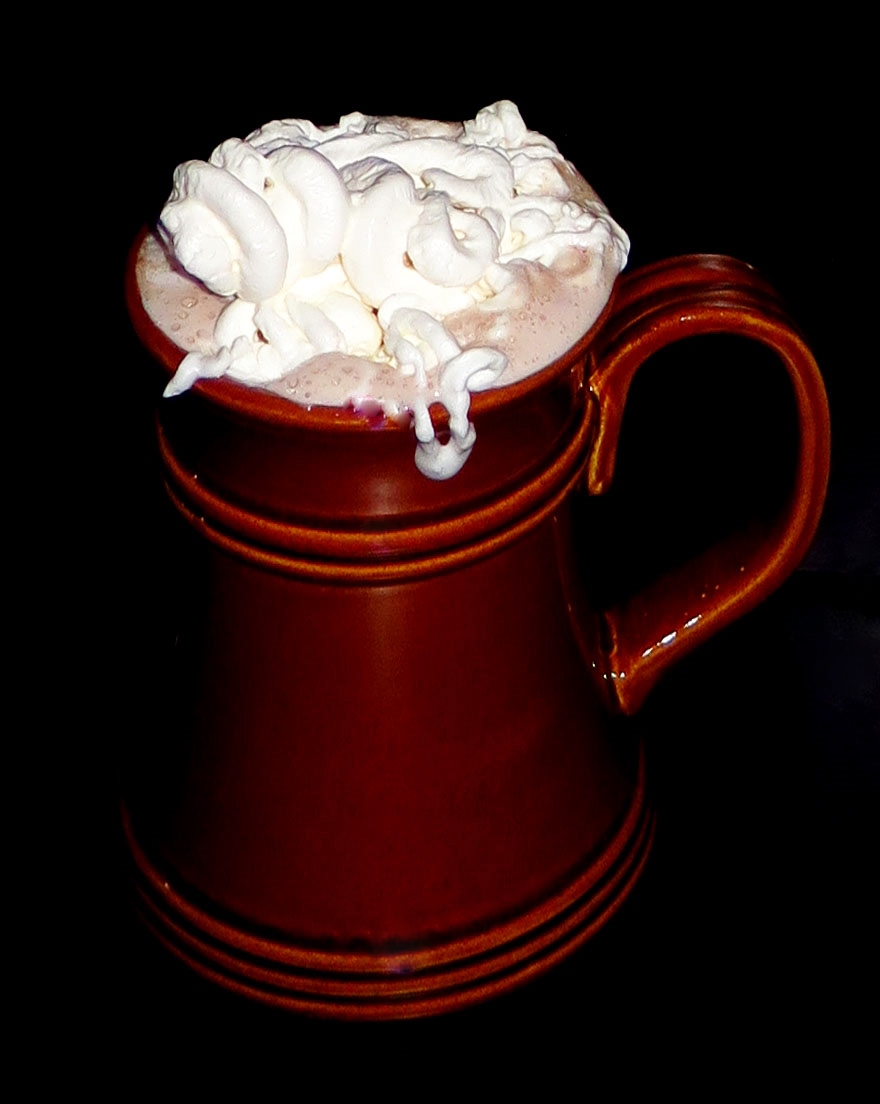
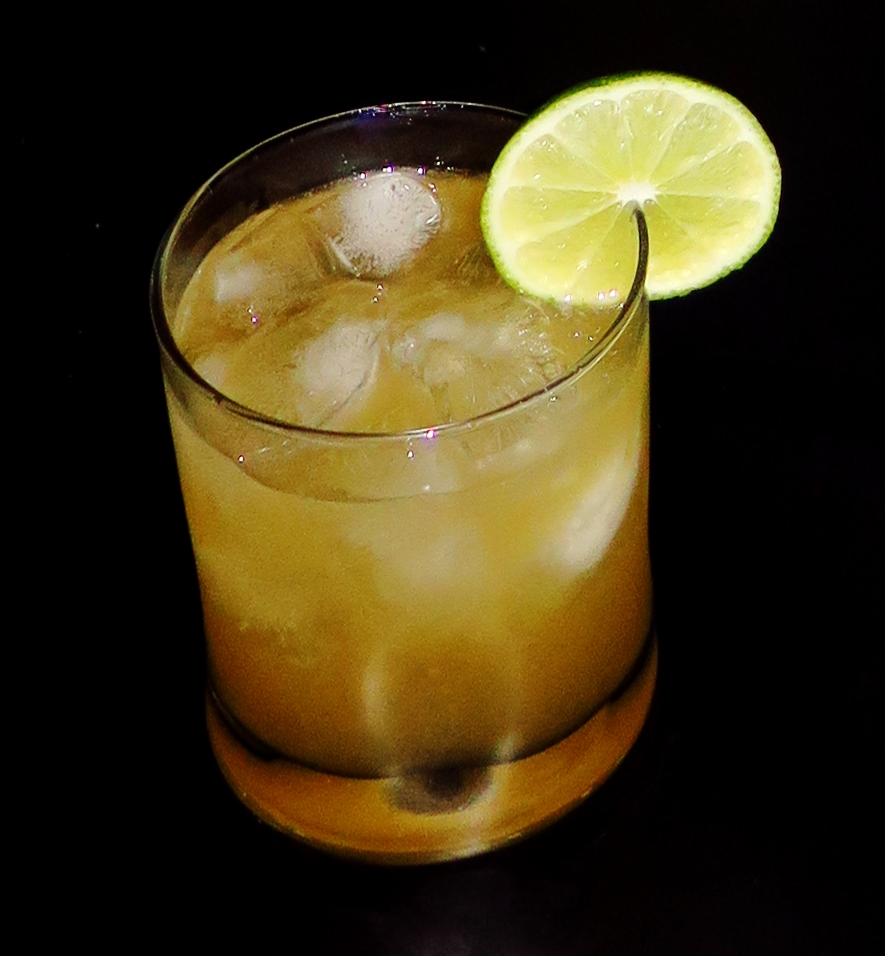
What's Kraken Cocktail

  • 1 oz Kraken Rum
  • 1 oz Butterscotch Schnapps
  • Top with Hot Chocolate
  • Garnish with Whipped Cream

That “Day-O” song sure can get stuck in your head easy. Belafonte even performed the hit on an episode of The Muppet Show, with Fozzie Bear interrupting the singer… and for that, we thank him!

Sip Advisor Bar Notes (4 Sips out of 5):
I really enjoy Kraken Black Spice Rum, which gets its rum content (molasses) from Trinidad and Tobago. I made this cocktail for Pa Sip, also a fan of Rum, as well as Butterscotch Schnapps. It was a pretty good drink and perfect for this time of the year!
Jamaica – Au Pair

Dread Heads

Reggae music was born in Jamaica in the 1960’s and has since traversed the globe thanks to acts like Bob Marley and The Wailers. Let’s take a look at some of Jamaica’s greatest musicians from the genre:

Bob Marley

Marley’s influence spread well beyond his music, as he became a figure of the Rastafarian movement and even helped warring political parties come to agreements. “I Shot the Sheriff,” “No Woman, No Cry,” “Could You Be Loved,” and “Buffalo Soldier,” highlight the long list of hits Marley is credited with. Prior to the 1976 Smile Jamaica concert, an attempt on Marley’s life was made, but he only suffered minor injuries. Marley died of cancer on May 11, 1981, He was only 36 years old. There is a statue of Marley in Kingston, Jamaica and many of Marley’s children have entered the entertainment business, carrying on dear ol’ dad’s legacy.

Bit Da Sheriff

Jimmy Cliff

Born James Chambers, Jimmy Cliff acquired his recording name from the cliffs that surrounded his childhood village of Adelphi Land in St. James, Jamaica. Cliff’s first hit, “Hurricane Hattie” came at the age of only 14. Working with producer Leslie Kong, Cliff released one successful track after another until Kong passed away. Cliff also appeared in the movie The Harder They Come, which brought reggae to new audiences. He was the face of the genre until usurped by Bob Marley. Cliff was enshrined into the Rock & Roll Hall of Fame in 2010.

Toots Hibbert

Dubbed ‘The Skafather,’ Hibbert is the leader of the band Toots & The Maytals and he might as well be, given he can play every instrument that makes up the ensemble. In 1966, Hibbert found himself in prison thanks to a possession of marijuana conviction, but his experience inspired one of his best known songs “54-46 That’s My Number.” With The Maytals, Hibbert wrote the first song to actually use the word reggae with 1968’s “Do the Reggay.” Hibbert received the Order of Jamaica in 2012 and still performs to this day, at the age of 71.

Peter Tosh

Amazingly, Tosh was self-taught on the guitar and he even helped Bob Marley learn to play the instrument. Joined by Bunny Wailer, the three formed the Wailing Wailers. After Tosh split from The Wailers and began a solo career, he released “Legalize It,” his pro-marijuana anthem. This, and Tosh’s defiant personality, led to beatings from Jamaican police. Tosh was even signed to the Rolling Stones record label before returning to his own. On September 11, 1987, Tosh was shot and killed by a man who he had given money to, when that man and three accomplices went back to try and get more cash from the artist.

We Be Jammin

Bunny Wailer

The Wailer in The Wailers, Bunny Wailer has been described as the best singer among the band and equally talented with writing songs, yet failed to achieve the same level of international fame as his bandmates. This could be the result of Wailer disappearing from the world’s eye for approximately three years after the Wailers disbanded. When he reemerged, Wailer didn’t miss a beat, going on to win the Grammy for Best Reggae Album in 1991, 1995, and 1997. Newsweek named Wailer one of the three most important figures in world music, along with King Sunny Ade of Nigeria and Brazil’s Milton Nascimento.

Gregory Isaacs

Known as ‘The Cool Ruler’ (which the Sip Advisor has to admit is a pretty wicked nickname), Isaacs is credited with over 500 albums, including many compilation releases. In the 80’s, Isaacs fell into drug troubles (who didn’t during that decade!) and served a six-month sentence for possession of unlicensed firearms. The drugs took a toll on his smooth voice, but Isaacs kicked the habit and worked in the industry up to his death in 2010, at the age of 59, following a lengthy battle with lung cancer. Today, the Gregory Isaacs Foundation carries on the artist’s charitable work and legacy.

Jamaica: Au Pair

Au Pair Cocktail

  • Muddle Apple Slices
  • 1.5 oz Appleton Rum
  • 0.75 oz Zubrowka Bison Grass Vodka
  • Top with Ginger Ale
  • Splash of Lime Juice
  • Dash of Orgeat Syrup
  • Garnish with a Lime Wheel

Reggae music has shared a long association with marijuana, so if drinking isn’t your cup of tea, you can celebrate the songs in your own way!

Sip Advisor Bar Notes (5 Sips out of 5):
This cocktail was a knockout spectacular. The Appleton Rum is so nice, as you get a hint of it at the end of each sip. Despite more than two ounces of booze, you can barely taste any liquor, thus making for the perfect recipe. This was my first opportunity to use the Orgeat Syrup Mrs. Sip and I picked up recently and it was a very welcome touch to the drink. I can’t advocate for this cocktail enough!