Toronto Maple Leafs – Toronto Maple Leafs

Throughout the year, the Sip Advisor will alphabetically travel the National Hockey League (NHL), discovering the best and worst each team has to offer in a variety of subjects. We will also feature a drink based off the franchise. Today, we *looks at calendar*… ugh, travel to Toronto to investigate why the Maple Leafs have often been named the “Most Hated Team in Hockey”:

Establishment Story: The Toronto hockey team was founded in 1917. The club was known as the Arenas and later St. Patricks, before finally receiving the Maple Leafs moniker in 1927, when the team was bought by Conn Smythe. An Original Six franchise, the Leafs were rebranded by Smythe to match the national symbol of Canada. They were also to wear red and white jerseys, but briefly wore white and green, before settling on their iconic blue and white.

Stanley Cups: None since 1967 and that’s all that really matters. Seriously, though, the Leafs have won 13 championships, all of which occurred when the league consisted of only six teams. The Leafs have two recognized dynasties, from 1946-51 and 1961-67. Not only has the team not won a Stanley Cup since 1967, they have no Finals appearances since then, as well, with five Conference Finals losses during that time.

Celebrity Fan: Somehow, the Leafs have quite the collection of celebrity supporters. Actors Mike Myers, Jim Carrey, Will Arnett and Keanu Reeves support the team, along with musicians Justin Bieber and Drake. Professional wrestler Edge is a fan, as is astronaut Chris Hadfield. As for female celebs, tennis star Bianca Andreescu can often be seen rocking the blue and white. Personally, I think they’re all nuts!

Leafs Blue

Super Fan: Steven Glynn, better known by the moniker Steve Dangle, turned his Leafs fandom into a career. Dangle went from posting YouTube videos to becoming an analyst for Sportsnet. His book This Team Is Ruining My Life (But I Love Them): How I Became A Professional Hockey Fan, was released in 2019 to critical acclaim. Today, Dangle co-hosts a podcast and the blooper web series Steve’s Dang-Its.

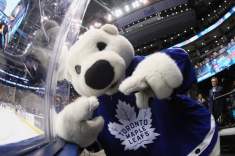
Mascot: Carlton the Bear is a polar bear, named for the street Maple Leaf Gardens was located. Carlton wears jersey number 60, in homage to the address of the iconic arena. Carlton debuted for the 1995-96 season. At the 2000 NHL All-Star Game in Toronto, Carlton hosted the inaugural Mascot Summit. Carlton is on track to surpass long-time Leafs player George Armstrong for most appearances with the franchise during the 2023-24 season.

Tradition: The Leafs greatest ritual is losing, particularly in the first round of the playoffs, if they even get there. Just kidding! When the team has made the post-season in more recent years, fans have gathered in Maple Leaf Square, located outside Scotiabank Arena. This has provided the Sip Advisor with many moments of schadenfreude, as Toronto supporters have been visibly crushed by losses. I must admit, their tears sustain me!

Appearances in Media: The Leafs most prominent appearance in popular culture is in the Mike Myers’ movie The Love Guru, where Myers plays a guru tasked with fixing the team’s players, particularly star Darren Roanoke. The Leafs were also heavily featured in the 1971 Canadian film Face-Off. Another notable appearance in media is Toronto’s inclusion in the children’s book The Hockey Sweater.
Carlton the Bear

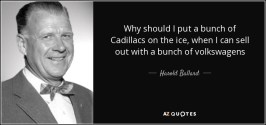
Events/Scandals: The Harold Ballard years as owner of the Leafs were filled with controversies, with perhaps the most notable blemish on the franchise being the Maple Leaf Gardens child sex abuse scandal. Ballard owned the arena during the time a trio of employees abused at least two dozen children. Ballard was also convicted of 47 counts of fraud, theft and tax evasion, during his ownership tenure, serving one-third of a nine-year prison sentence.

Rivalry: Everyone hates the Leafs, right? Okay, they do have a substantial fan base, much of whom probably don’t like me very much, but I’m not wrong that many revile Toronto. Enemy teams include the Ottawa Senators (Battle of Ontario), Montreal Canadiens (only two Canadian clubs, divided by language and other cultural differences, until 1967), Boston Bruins, Detroit Red Wings, and Buffalo Sabres (Battle of the QEW).

Tragedy: Bill Barilko spent his entire NHL career with the Leafs. He was the overtime hero of the 1951 Stanley Cup Finals, but disappeared that off-season while on a fishing trip. In 1962, the wreckage of the plane Barilko had been travelling in was discovered. Barilko is the subject of The Tragically Hip song Fifty Mission Cap, which has become an anthem of sorts for Leafs fans. Also, Leafs prospect Rodion Amirov succumbed to a brain tumour in August 2023.

Player Nicknames: As much as I hate the Leafs, their fans have come up with some creative monikers for players. Tops among them, would be Optimus Reim for goaltender James Reimer. The name was based on Optimus Prime from the Transformers franchise. Other popular culture nicknames for players include The Cat (Felix Potvin), from the character Felix the Cat, Captain Crunch (Wendel Clark), based off the children’s cereal, and Uncle Leo (Leo Komarov), borrowed from Seinfeld.
Harold Ballard

Line: Many trios in hockey history have been dubbed ‘The Kid Line’, but the original played for the Leafs during the 1930s. Joe Primeau was 23 years old, while his linemates, Charlie Conacher and Harvey Jackson were only 18 when they were put together in late 1929. The unit only won one Stanley Cup together, despite five Finals appearances. The line has remained popular over the years, with a children’s book published in 2001.

Captain: George Armstrong was captain of the Leafs for a club record 12 seasons. He played his entire 21-campaign career with the team, winning four Stanley Cups. Armstrong’s jersey number 10 was retired by the Leafs in 2016. Another notable captain for Toronto was Mats Sundin, who in 1997, became the first non-Canadian to wear the ‘C’ in franchise history. Sundin served in the role for 11 seasons, becoming the longest serving non-North American born captain in NHL history.

Enforcer: Tie Domi is the Leafs single-season and all-time penalty minute king, with 365 and 2,265 minutes in the sin bin. Domi also has the most fighting majors in NHL history with 333, a majority of those recorded during his time with Toronto. Domi was originally drafted by the Leafs in 1988, but didn’t play for them until 1995, after stops with the New York Rangers and Winnipeg Jets.

Family Values: Perhaps the most notable family members to play together with the Leafs were brothers-in-law Shayne Corson and Darcy Tucker, from 2000 to 2003. Tucker is married to Corson’s sister, with the two also previously playing for the Montreal Canadiens together. Father and son combos to play for the Leafs, include Mike and Nick Foligno, Bryan and Mason Marchment and Tie and Max Domi.

Tie Domi

Returning Players: Wendel Clark spent three stints with the Leafs. He was drafted first overall by the team in 1985, playing nine seasons (three as captain) in his first tenure. Clark then spent two campaigns with other teams, before returning to Toronto for another go around. Clark retired after the 1999-2000 season, following a final 20 games with the Leafs. Fellow franchise icon Doug Gilmour also ended his career with the Leafs in 2003, injured in his first game back after a trade deadline deal.

Short Stint: For a time, each season seemed to feature the Leafs bringing in an aged star – or two – hoping they would add something to their upcoming playoff chances. This included Tom Barrasso (four games in 2002), Phil Housley (four games in 2003), Glen Wesley (12 games in 2003), Brian Leetch (28 games in 2004), and Ron Francis (24 games in 2004). Another brief tenure with the club, belongs to Joe Thornton, who suited up with Toronto for 51 games in 2020-21.

Undrafted: Borje Salming was brought to the NHL from Sweden as a free agent in 1973. By the end of his long tenure with the Leafs, he changed the perception of European players being seen as soft. This was perhaps best exemplified when Salming had his face accidentally stepped on by a skate in 1986, requiring over 200 stitches and cosmetic surgery to repair. Salming holds a number of Leafs records for a defenseman.

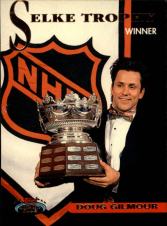
Trade: One of the largest transactions in NHL history was the 1992 10-player deal between the Leafs and Calgary Flames that brought cult hero Doug Gilmour to Toronto. During his first full season with the Leafs, Gilmour recorded 127 points and earned the Frank J. Selke Trophy as the best defensive forward in the league. Gilmour’s tenure would also see the team make back-to-back appearances in the Conference Finals.
Doug Gilmour

Signing: The Leafs struggled mightily from the late 2000s to the mid 2010s, exacerbated by a number of misguided free agent deals. This included contracts for Jeff Finger (four-year, $14 million in 2008), Mike Komisarek (five-year, $21.5 million in 2009) and David Clarkson (seven-year, $36.75 in 2013). Finger played half his contract with Toronto’s minor league affiliate, Komisarek had his contract bought out in the final season and Clarkson was traded after two campaigns.

Draft Pick: The Leafs have picked first overall twice in their history, taking Wendel Clark in 1985 and Auston Matthews in 2016. Some of their other top picks include Darryl Sittler (8th overall in 1970), Lanny McDonald (4th overall in 1973), Morgan Rielly (5th overall in 2012), and Mitch Marner (4th overall in 2015). Perhaps their greatest diamond in the rough selection was taking Tomas Kaberle 204th overall in 1996. He would go on to play 12 seasons in Toronto.

Holdouts: During the 1981-82 season, Darryl Sittler requested a trade due to the deterioration of his relationship with Leafs management and ownership. When no deal was reached after months of waiting, Sittler left the team, at the advice of his doctor, on the basis he was “mentally depressed”. Sittler was eventually dealt to the Philadelphia Flyers, ending his 12-season tumultuous stint with the franchise.

Buyouts: Mikhail Grabovski had completed the first season of his five-year, $27.5 million contract, when the Leafs surprisingly used one of their compliance buyouts from the 2012-13 lockout on him. This meant Grabovski was due $14.33 million over the next eight seasons. Two days earlier, the Leafs used their other compliance buyout on defenseman Mike Komisarek, owing him $2.33 million over two years.

Darryl Sittler

Unique Game: Given the Leafs profile, the team has been used for many marquee NHL events. This included the 2014 Winter Classic and 2017 NHL Centennial Classic, both against the Detroit Red Wings, a 2018 Stadium Series contest versus the Washington Capitals, and the 2022 Heritage Classic opposite the Buffalo Sabres. Toronto also played two 1993 pre-season games against the New York Rangers in London, United Kingdom.

Goal: Each game of the 1951 Stanley Cup Finals went to overtime, with the Leafs pulling off a 4-1 series victory over the Montreal Canadiens. Bill Barilko scored the Stanley Cup-clinching goal at 2:53 of Game 5’s extra period. Another famous tally in Leafs lore is the one Bobby Baun scored in overtime of Game 6 of the 1964 Stanley Cup Finals, while playing with a broken ankle. The Leafs would win Game 7 4-0, earning their third consecutive championship.

Fight/Brawl: Things got out of hand during a 2013 pre-season game versus the Buffalo Sabres, leading to a brawl. When Buffalo enforcer John Scott went after Toronto star Phil Kessel, newly-signed Leaf David Clarkson left the bench to protect Kessel. This resulted in an automatic 10-game suspension for Clarkson, who never got going in Toronto, and was traded to the Columbus Blue Jackets after 118 games and only 15 goals and 26 points, despite an annual salary of $5.25 million.

Injury: When Leafs forward Ace Bailey suffered a severe head injury, following a hard check by Eddie Shore of the Boston Bruins, two major developments came from the incident. First, the inaugural NHL all-star game was played months later to raise money for Bailey and his family. Second, at that all-star benefit game, Bailey’s number 6 jersey was retired, becoming the first player in professional sports history to receive such an honour.
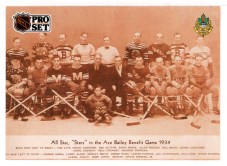
Ace Bailey

Penalty: Leafs enforcers have a history of getting into trouble. Tiger Williams was charged with assault (later acquitted) for a 1977 stick hit on Dennis Owchar, which required 46 stitches to seal. A decade later, John Kordic high sticked Keith Acton, resulting in a 10-game suspension. Tie Domi had two infractions earn him lengthy bans, one for sucker punching Ulf Samuelsson in 1995 (eight games) and another for elbowing Scott Niedermayer in the 2001 playoffs (rest of series and eight games the following season).

Wildest Story: When Brian Spencer was to make his debut with the Leafs on December 12, 1970, he informed his father, Roy, of the good news. Later, Roy tried to watch the game on TV, but was greeted with a Vancouver Canucks-California Golden Seals contest instead. Upset, Roy drove 135 km to the closest TV station, where he threatened employees at gunpoint to air the Leafs game. A standoff with police and shootout ensued, resulting in Roy’s death. Brian would later also die by gunshot during a drug robbery.

Blooper: In one of the most viewed NHL videos of all-time, enforcer Tie Domi was banished to the penalty box during a game in Philadelphia. A Flyers fan was heckling Domi, so the enforcer squirted his water bottle into the crowd. Another angered fan ended up falling into the penalty box when the pane of glass separating players from the audience gave way. Domi punched the fan multiple times before being pulled away. Domi was fined $1,000 for the incident.

Miscellaneous: In an event that would make international headlines, the Leafs lost a 2020 game with Emergency Back-up Goalie David Ayres in net for the opposing Carolina Hurricanes. Worst of all, Ayres was employed by the Leafs, as a building operator/Zamboni driver. Ayres became a legend following the 6-3 victory, receiving his own day in Raleigh, North Carolina, and the story is set to become a Disney feature film.

Toronto Maple Leafs: Toronto Maple Leafs

Toronto Maple Leafs

  • 0.75 oz Blue Curacao
  • 0.75 oz Irish Cream

I still find it hard to believe, as a youngster, I was a fan of the Leafs. Today, everything about Toronto and their sports landscape irks me. This is because the sports networks are all based there and we who live elsewhere in the country are treated to an unwanted deluge of coverage on Toronto teams.
April 18 – High Five

Playing Peeves

Earlier this season, the Toronto Maple Leafs got into trouble for not doing their typical salute to the crowd, following a win. They were accused of snubbing the audience that had recently gone so far as to throw jerseys on the ice, when disgusted with the team’s play. Really, it’s their fault for being Maple Leafs fans in the first place, but I digress. While I don’t have any issue with the salute, one way or the other, here are some other player traditions that should be outlawed:

#5: Staged Fights (NHL)

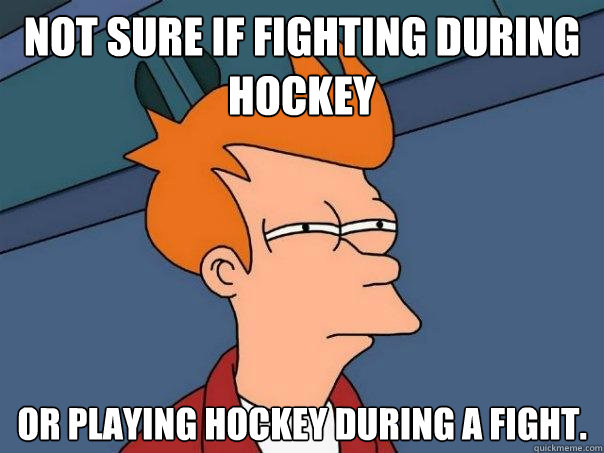
While this pet peeve bothers me less than others that did not make this list, I figured I’d be fair and try to include as many different sports as I could. I’m not the biggest advocate of fighting in hockey, but I do like the odd tilt, usually between two light/middleweights who are chucking knuckles for a reason. Staged fights between two super heavyweights, only fighting because that’s all they can provide to the game, is a waste of roster spots. With the demise of the hockey enforcer, this happens rarely in today’s NHL. You still see the occasional bout off the opening draw, but it’s usually based off of something that happened in the team’s last contest.

hockey fights

#4: Slapping Helmets (NFL)

Given all the concussion concerns and lawsuits being launched by former players, it blows my mind when I see entire football squads viciously slapping each other on the helmet, in order to CELEBRATE a play. Talk about friendly fire! It almost makes you wish they went back to the days of smacking each other on the ass, as all that might do, is produce a bruise. I think every football player loses credibility in the whole concussion argument, given they’re likely seeing stars after successful plays, with injuries caused by their own teammates. Hmmm, perhaps the NFL should hire me onto their legal team!

#3: High-Fives After Each Free Throw Attempt (NBA)

Okay, so the fouled basketball player steps up to the free throw line, which basically means a take-your-time, unobstructed shot from a mere 15 meters away from the hoop and if he makes the shot, everyone on his team must give him a high-five… hell, they even high-five for a missed shot! There is some debate whether the exchange of pleasantries after each shot helps keep a player loose, or disrupts their technique or needed alterations for the follow-up shot. I think the whole process is ridiculous and I think some players do as well; given there have been instances of hoop stars mocking it.

free throw high fives

#2: Elaborate High-Five Routines (MLB)

What do you do when you’re sport is slower than watching paint dry and you have to play 162 games each season? Develop an elaborate high-five routine, of course! I don’t understand why sports highlight shows are so enamored with this trend and feature the choreographed hand-slapping and fist-bumping performance in their replay packages. Sometimes the act goes on for minutes at a time and yes, I guess that does make it more exciting than the game itself. You would never see this ridiculousness in faster-paced sports, because if a hockey player, for example, tried it, they would be body checked through the boards before they could finish!

#1: Complaints About Running Up the Score

I’ve largely only seen accusations of this in football circles, but the other major leagues will take measures to quell landslide victories. In hockey, you might see the winning team rest its scoring lines, in favour of checking players, while in baseball, bunting and stealing bases may be discouraged. Basketball games are usually too close to call and in football, teams may run shorter plays and not go for big scores. The problem with this is if I paid my hard earned money to go to a contest and my team was obliterating the opposition, why would I want that experience to stop? All fans want to see the stars of the sport do what they are paid millions to do: perform at the highest level, not take a game off.

Super Saturday Shot Day: High Five

High Five Shot

  • 0.3 Grand Marnier
  • 0.3 oz Rum
  • 0.3 oz Passion Fruit Liqueur
  • 0.3 oz Orange Juice
  • 0.3 oz Pineapple Juice
  • Garnish with an Orange Wedge

I can’t believe how many of these items are based on high-fiving. Narrowly missing the list was female tennis players screaming and grunting their way through matches… although, it is kind of hot! Next up, the Sip Advisor should take a look at the greatest pet peeves I have towards sports fans. This would include such gems as dorks leaving a game before it’s over and the completely unnecessary wave.

Sip Advisor Bar Notes (3.5 Sips out of 5):
This is actually a cocktail recipe, but was easy to convert to a shooter, since all the ingredients were in equal portions already. It’s an incredibly fruity shot, so you know the flavours are going to be nice. The booze quotient could be upped a little so you know you’re drinking a shooter, but the taste is quite enjoyable as it is.

September 12 – Furry Purple Squirrel

Mascot Mess

Teams largely have mascots to engage young fans and as a merchandising opportunity. I don’t know why college teams have mascots, as well, but I guess alcohol and people dressed as animals is always a winning combination. Each major league (NHL, MLB, NBA, NFL) is guilty of poorly chosen characters. Here are some of the worst mascots in the wide world of sports:

Carlton the Bear – Toronto Maple Leafs (NHL)

How in the hell is a bear the mascot for this team? Did they just want to be able to sell oodles of merchandise using a cute teddy bear? The team’s mascot should really be a dude dressed up in a leaf costume and they could do this performance introduction, where the leaf blows through the sky and lands flat on the ground, only to be crushed by passersby. Just like the team itself… symmetry, my friends, symmetry. Leafs suck, btw.

Carlton the Bear

Heh, golfing… just like the Maple Leafs every spring!

Raymond – Tampa Bay Rays (MLB)

There’s just no zip to this name and the character is even worse, described as a seadog and wearing large sneakers and a backwards ball cap. Raymond is really just a slacker, complete with unkempt facial hair. Why couldn’t the mascot be a sting ray, with the tag line “I killed Steve Irwin, so don’t mess with us!” Now that would be bad ass.

Bear – Utah Jazz (NBA)

They couldn’t even give their mascot a decent nickname? The marketing department sat around and just settled with Bear? I’d be more impressed with Bear if he occasionally picked up a musical instrument and belted out some jazz scat tunes. Then again, the Jazz name doesn’t even work in Utah and is only a carryover from the franchise’s New Orleans origins. Ridiculous all around.

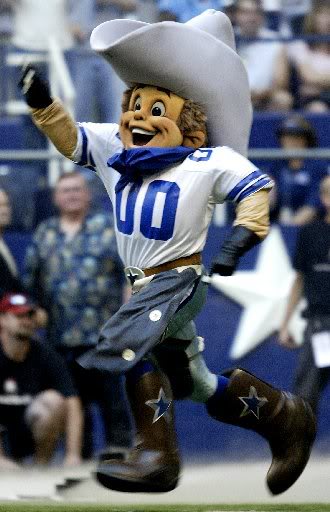
Rowdy – Dallas Cowboys (NFL)

Rowdy looks like Fix-It Felix from Wreck-It Ralph… except he appears a little more Broke Back Mountain than the team would probably want. The Cowboys legacy as a rough and tumble team doesn’t hold up so well when Rowdy is paired with that lineage. He has to be the creepiest looking cowboy I’ve ever seen, making the blood of Clint Eastwood boil to extreme levels.

Rowdy Cowboy

Spartacat – Ottawa Senators (NHL)

I don’t get the orange hair. Doesn’t the Senators organization know that the world hates gingers!? Not myself, I find them to be loveable folks, but I am a rare breed. Readers know of my love for cats, but this one just doesn’t sit right. The name is okay too, but I just don’t see the necessity for that orange hippie hair. Call me crazy (and I’m sure you have), but I just can’t get past that.

Screech – Washington Nationals (MLB)

How awesome would it be if the Washington Nationals mascot wasn’t a anthropomorphic bald eagle, but was, in fact, Screech from Saved by the Bell!? Other than that minor note, I really don’t have any problem with Screech. He falls in line with the team name and the city the franchise plays out of. I probably should have left him off the list… but that Saved by the Bell thing still bugs me.

Hip Hop the Rabbit – Philadelphia 76ers (NBA)

Sure, basketball teams need to cater to the hip hop market and fans of the music genre, but this is really taking things a little too far. Hip Hop looks like a “gangsta” Trix Rabbit on roids, who instead of searching aimlessly for the beloved cereal, performs slam dunks off trampolines to pass the time. Let’s just hope Hip Hop doesn’t become a casualty of the East-West Rap Feud.

Hip Hop the Rabbit

Stinger – Columbus Blue Jackets (NHL)

How anyone could consider an insect cute and cuddly is a question I’ll never be able to answer. Still, this pest was able to find work with the Columbus Blue Jackets, despite being a yellow jacket bug. That mixed with the teams blue colours, has turned him green, just to confuse people even more. I foresee a large swatter and a satisfying splat in Stinger’s future!

Sparky the Dragon – New York Islanders (NHL)

Why a dragon is the mascot for this team is perplexing. Sure, the owner, Charles Wang (heh… wang) is of Asian descent, but is that enough to justify this move? Not to mention he simply transferred the character over from his former Arena Football League franchise and you have the makings of a mascot conspiracy. We must form a task force to get to the bottom of this!

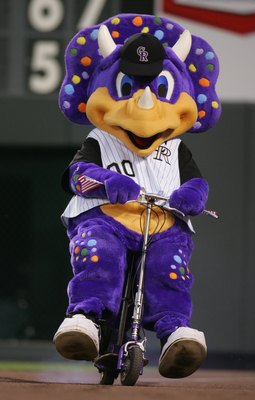
Dinger – Colorado Rockies (MLB)

The Colorado Rockies entered Major League Baseball around the time that Barney the Dinosaur was huge for many youngsters. I guess they decided to capitalize on that marketing craze when conceptualizing Dinger. Apparently, making Dinger a Triceratops was based on reports of dinosaur fossils being discovered as the franchise built its Coors Field stadium. I have to say that I do like the name Dinger, though.

Dinger the Dinosaur

Bernie Brewer – Milwaukee Brewers (MLB)

This mascot has to be the closest thing to resemble a 1970’s porn star in the sporting world, complete with a full, bushy, handlebar moustache. I bet under that jersey is a chest full of wild, curly hair and if we keep travelling downwards, a Ron Jeremy-esque member. The Brewer probably drinks a ton, too, and may be the best candidate on this list to party with!

Youppi – Montreal Canadiens (NHL)

The only thing worse than a bad mascot is a bad mascot that was meant for another team. When the Montreal Expos were relocated to become the Washington Nationals, Youppi became a free agent, quickly snapped up by the Canadiens. I do have to give credit to Youppi for being the first mascot ever kicked out of a Major League Baseball game, which occurred in 1989 following LA Dodgers manager Tommy Lasorda complaining to umps about the mascot’s behaviour.

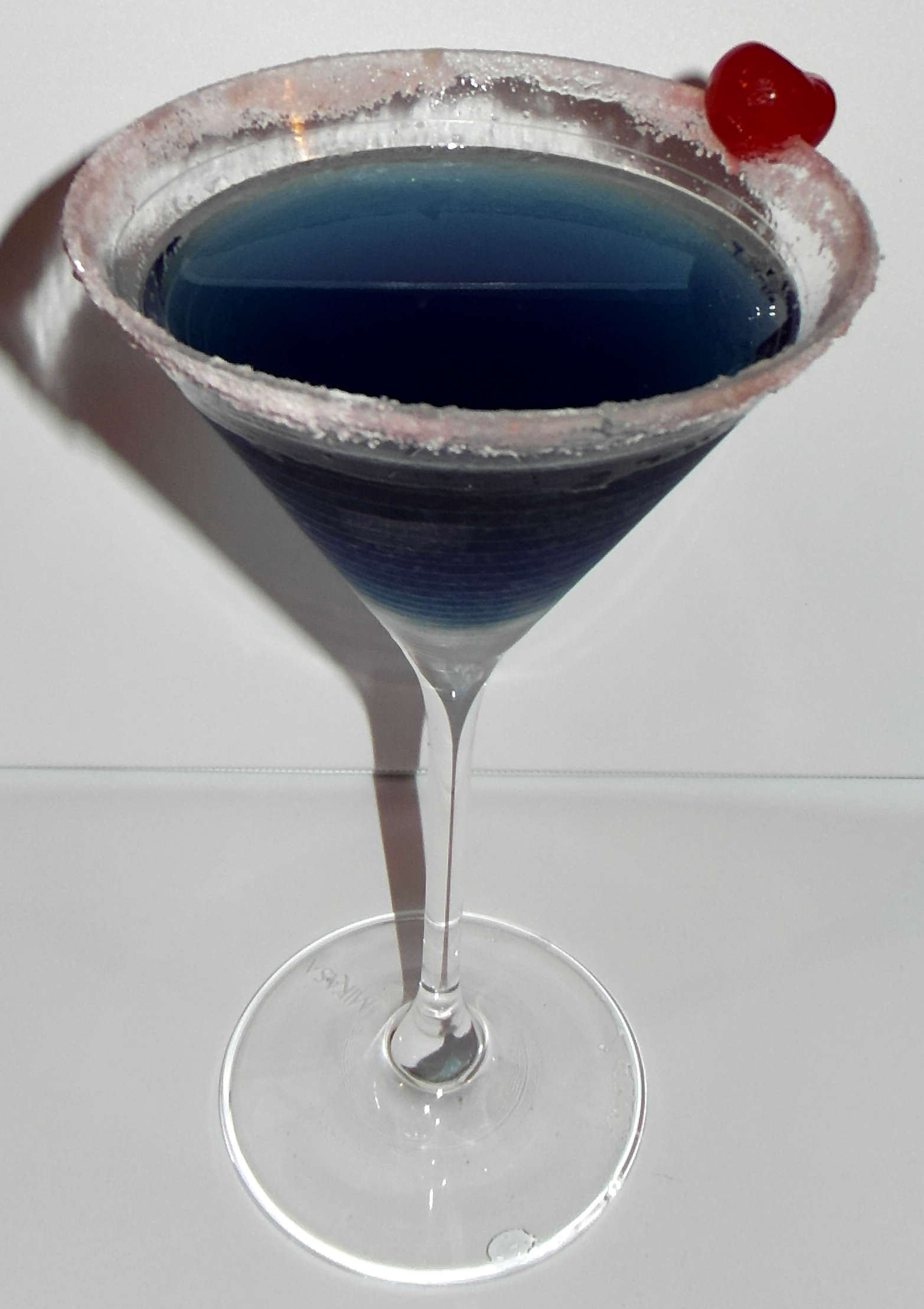
Drink #255: Furry Purple Squirrel

Sept 12

  • Rim glass with Grape Candy Powder
  • 1 oz Blue Curacao
  • 1 oz Light Rum
  • 1 oz Coconut Rum (I used Malibu)
  • Top with Club Soda
  • Splash of Lime Juice
  • Dash of Grenadine
  • Garnish with a Maraschino Cherry

I must admit, I left off the many amateur sport mascots that could have filled three of these lists. Olympic mascots have always been ridiculous too. Just to keep things simple, I only focused on professional team mascots. Did I miss any? Leave a message after the beep. BEEEEEEEP!

Sip Advisor Bar Notes (3 Sips out of 5):
This is an interesting recipe that includes floating the Coconut Rum on top of the drink right before serving. I picked this cocktail because it somewhat went with the topic of today’s post and because the blend of ingredients intrigued me. My Grape Candy Powder rim worked out better than others. I still don’t understand why every drink that purports itself to be purple never turns out that way and remains blue. Maybe I’m not using enough Grenadine, but then again, I don’t want to use a ton of Grenadine.

September 10 – Homeward Bound

Welcome Back

Some players just don’t look right in jerseys that differ from the one they’ve worn for years. In most of the big leagues, athletes can sign one-day contracts so that they may retire as a member of the team that made their career. Other times, a trade brings that star back into the fold. Then, there’s always returning from retirement. Here is some of the greatest returns home in sports history.

Trevor Linden – Vancouver Canucks (NHL)

Trevor Linden, captain of the Vancouver Canucks was traded to the New York Islanders in 1998. After bouncing around to a couple other teams, the Canucks reacquired the heart and soul leader of their last championship appearance team. In Linden’s first game back (which I attended with the Sip Family), he notched a couple points and was named the second star of the game, allowing fans to dedicate all their energy specifically to one of the team’s most legendary figures. A few years later, Linden left the game the right way, serenaded by the fans who adored him for so many years, and making a final trip around the ice surface that hosted so many memories for all involved.

Doug Gilmour – Toronto Maple Leafs (NHL)

Growing up, for some bizarre reason that I may never be able to explain, I was a fan of the Toronto Maple Leafs. Please collect your jaws from the floor… sadly, it’s true. My favourite player was Doug Gilmour, a gritty and talented player, who nearly led the team to their first Stanley Cup since 1967. Gilmour was traded to New Jersey in 1997, but would return to the Leafs at the 2003 trade deadline, causing fans to rejoice. Sadly, in just his second shift back with the team, he collided knee-on-knee with Calgary’s Dave Lowry and was done for the season, later calling it a career that summer.

Hulk Hogan – World Wrestling Entertainment

In the 1980’s, Hulk Hogan’s symbiotic relationship with the then World Wrestling Federation launched both entities into the stratosphere. Working together, Hogan became one of the most popular wrestlers of all-time, while the WWF became the first promotion to enjoy national mainstream exposure and success. Hogan left the company in 1993 to perform in World Championship Wrestling and didn’t return to the soon-to-be-renamed WWE until 2002. He originally returned as a bad guy, but fans would not have any of that, cheering for Hogan to once again become the “Real American” character most had grown up with. They got their wish and fans feverishly ate up the nostalgia act.

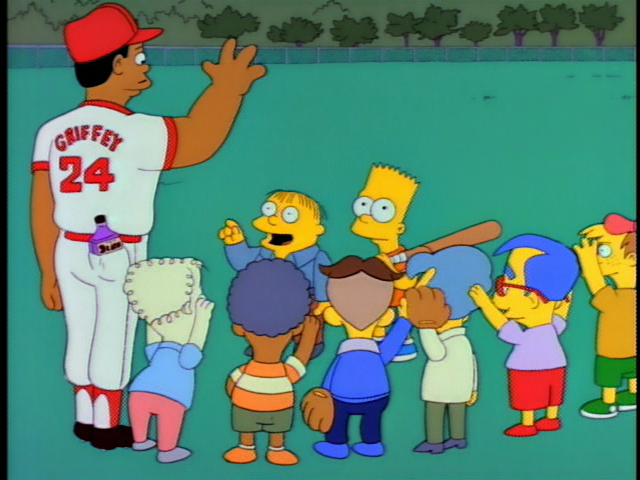
Ken Griffey, Jr. – Seattle Mariners (MLB)

Ken Griffey, Jr. grew up in the Seattle Mariners organization, debuting in 1989 and even playing alongside his father, Ken Griffey, Sr. Griffey became the face of the franchise and even the entire league, adorning video games, posters, t-shirts, and other merchandise. The slugger was traded to the Cincinnati Reds in 2000, as he wished to play closer to home and be more involved in the lives of his children. Griffey’s numbers declined following the trade, but petitions were signed by Seattle fans to bring him back. Finally, in 2009, Griffey returned to the Mariners. His second tenure had its issues, like Griffey being accused of napping in the clubhouse during games, but he was honoured into the team’s Hall of Fame in August 2013.

Ken Griffey, Jr.

Michael Jordan – Chicago Bulls (NBA)

After winning three straight NBA titles in the early 90’s, there was nothing left for Michael Jordan to accomplish. When his father was murdered that summer, Jordan retired from basketball and decided to try his hand at professional baseball, hoping to realize his father’s dream of him playing in the Majors. When his baseball dream fizzled out, it was back to the hard court and the Bulls for Jordan. Another three NBA Championships followed before Jordan left the game again in 1999. His last return to basketball was with the Washington Wizards, a team he had part-ownership with and had been President of Basketball Operations.

Mario Lemieux – Pittsburgh Penguins (NHL)

Like Jordan, Mario Lemieux kept returning to the game he loved after time away from the rink proved he still had too much passion for the sport to watch from the sidelines. Super Mario returned from cancer and a retirement to put up all-star level numbers and pad his legacy as one of the game’s greatest players. While he never won another Stanley Cup, he was an integral member of Canada’s gold medal victory at the 2002 Winter Olympics and also saved the Pittsburgh Penguins franchise as owner of the team, ushering in the Sidney Crosby era.

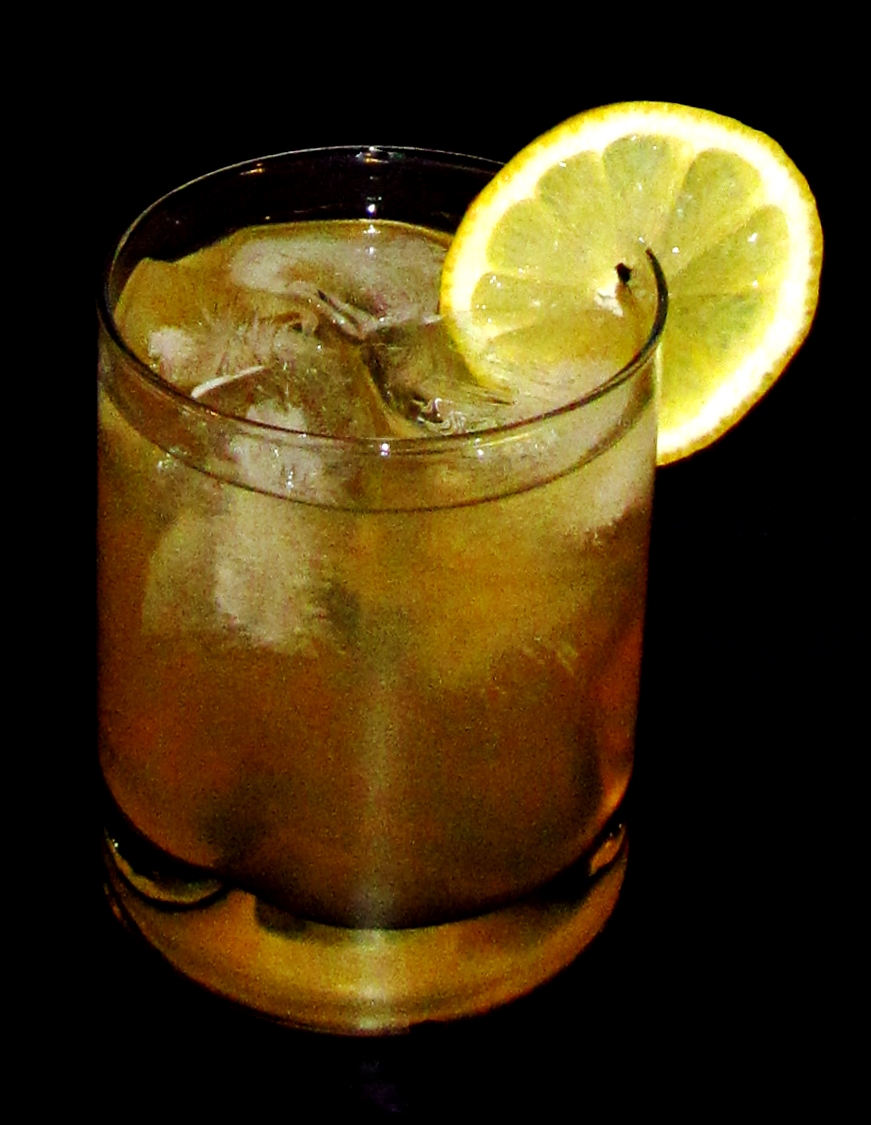
Drink #253: Homeward Bound

Sept 10

  • 1.5 oz Spiced Rum (I used Sailor Jerry’s)
  • Top with Lemonade
  • Garnish with Lemon Wheel

What was your favourite return home? As above, it can be an athlete, an actor, or hell, it could be Ron Jeremy’s long-awaited return to the world of pornography!

Sip Advisor Bar Notes (3.5 Sips out of 5):
This was a simple, but very enjoyable cocktail. I love the name about as much as I adore Sailor Jerry’s Spiced Rum and the moment I saw this recipe advertised at a local bar, I knew I’d be making it when I went home. The caramel-flavour of the Spiced Rum works nicely with the tart Lemonade and makes for one fine drink!